


The Garmin Cirqa vs. Fitbit Air: Which Wearable is Best for You?

Fitness trackers provide a convenient way to monitor key health and wellness data, helping you understand how your body responds to daily activities, from mundane tasks to intense workouts. Today, we're comparing two popular new releases: the Garmin Cirqa vs. Fitbit Air. However, these wearables aren't your typical fitness tracker, as they both have a screenless design. But this innovative look doesn't affect their ability to track important health insights, including heart rate, daily step count and calories burned. Though there are many similarities, the Cirqa is $100 more expensive than the Air. You may be wondering: is the price increase worth it? Below, we break down the Garmin Cirqa vs. Fitbit Air to help you discover which fitness tracker is right for you.
Meet the Wearables
Fitting Into Your Lifestyle
Style and battery life kick off our Garmin Cirqa vs. Fitbit Air comparison. Unlike other trackers, the screenless design means you won't get distracted by texts, emails or other notifications buzzing on your wrist. Instead, these bands silently sit on your wrist gathering health data as you go about your day. Since there's no screen, you'll need to open the app on your iOS or Android device to view collected information.
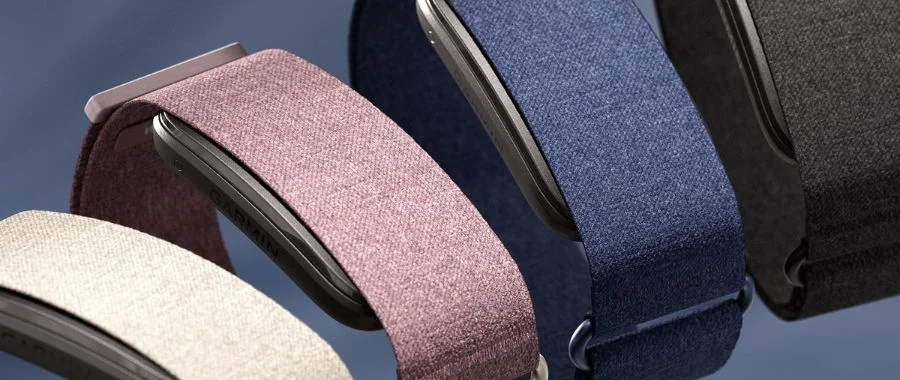
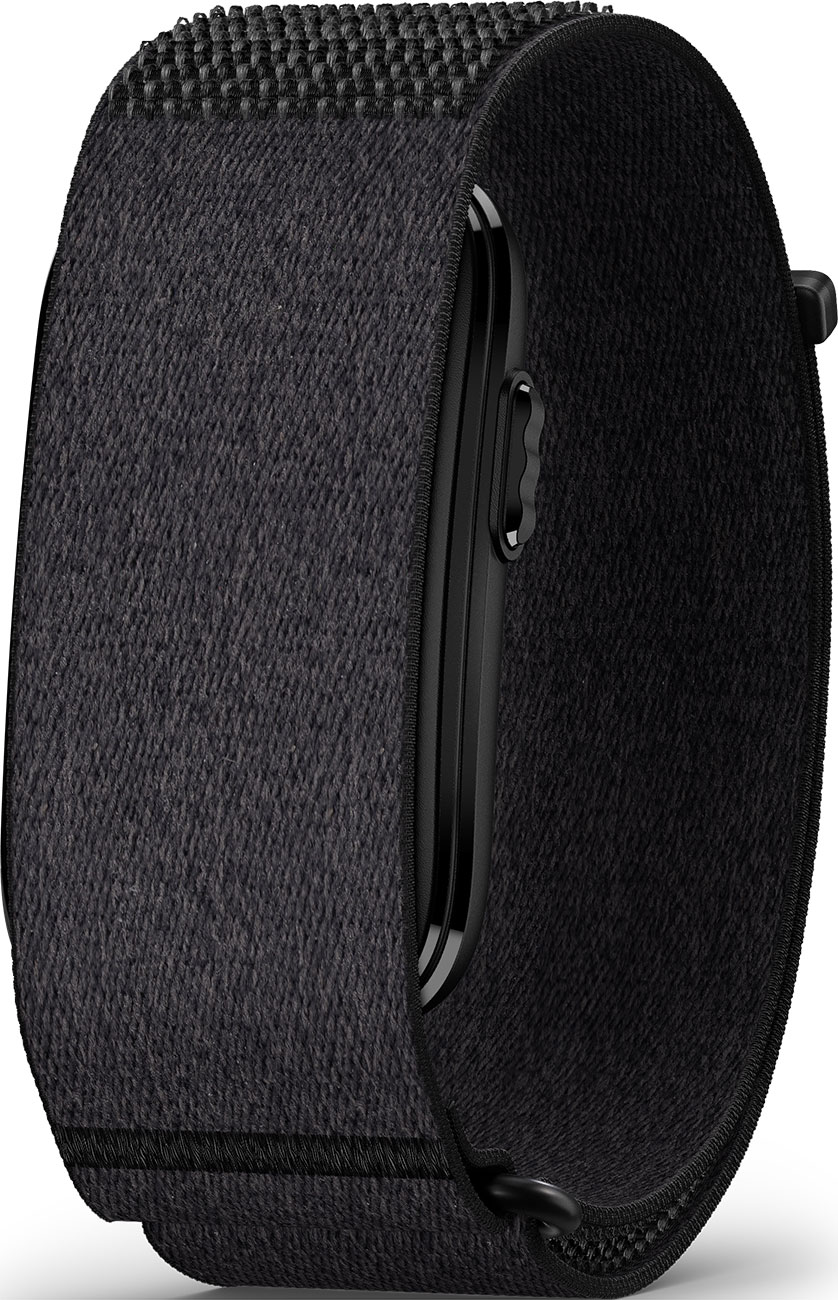
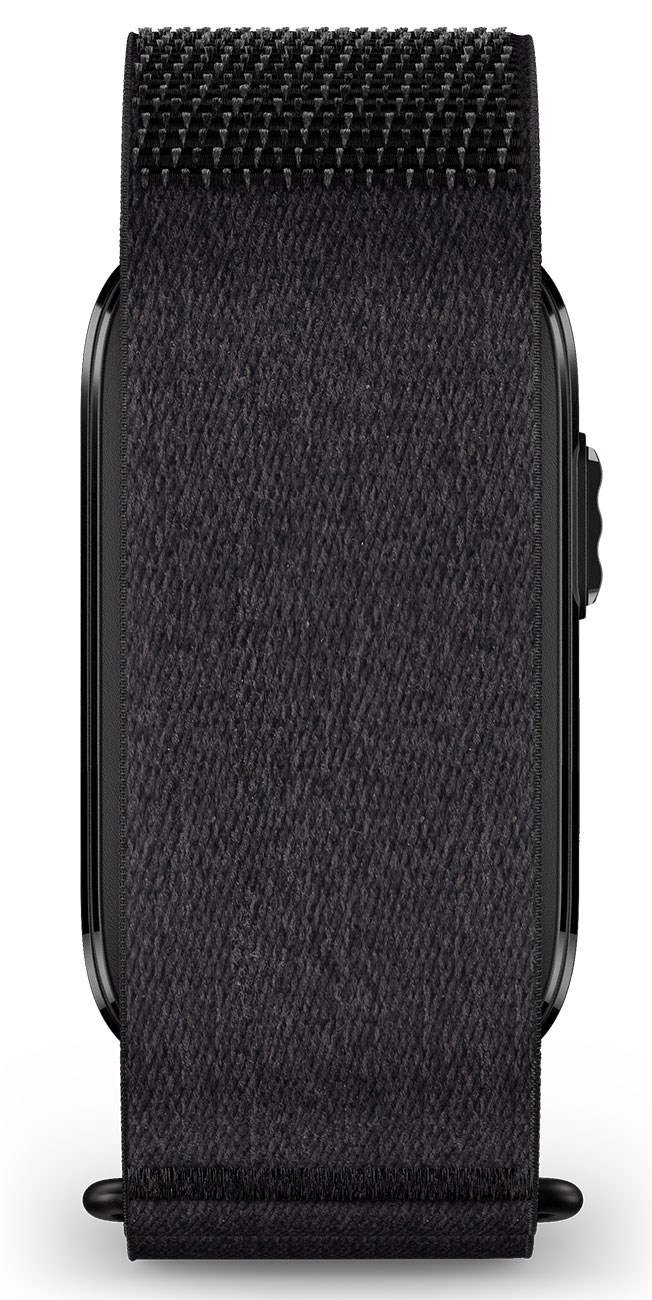
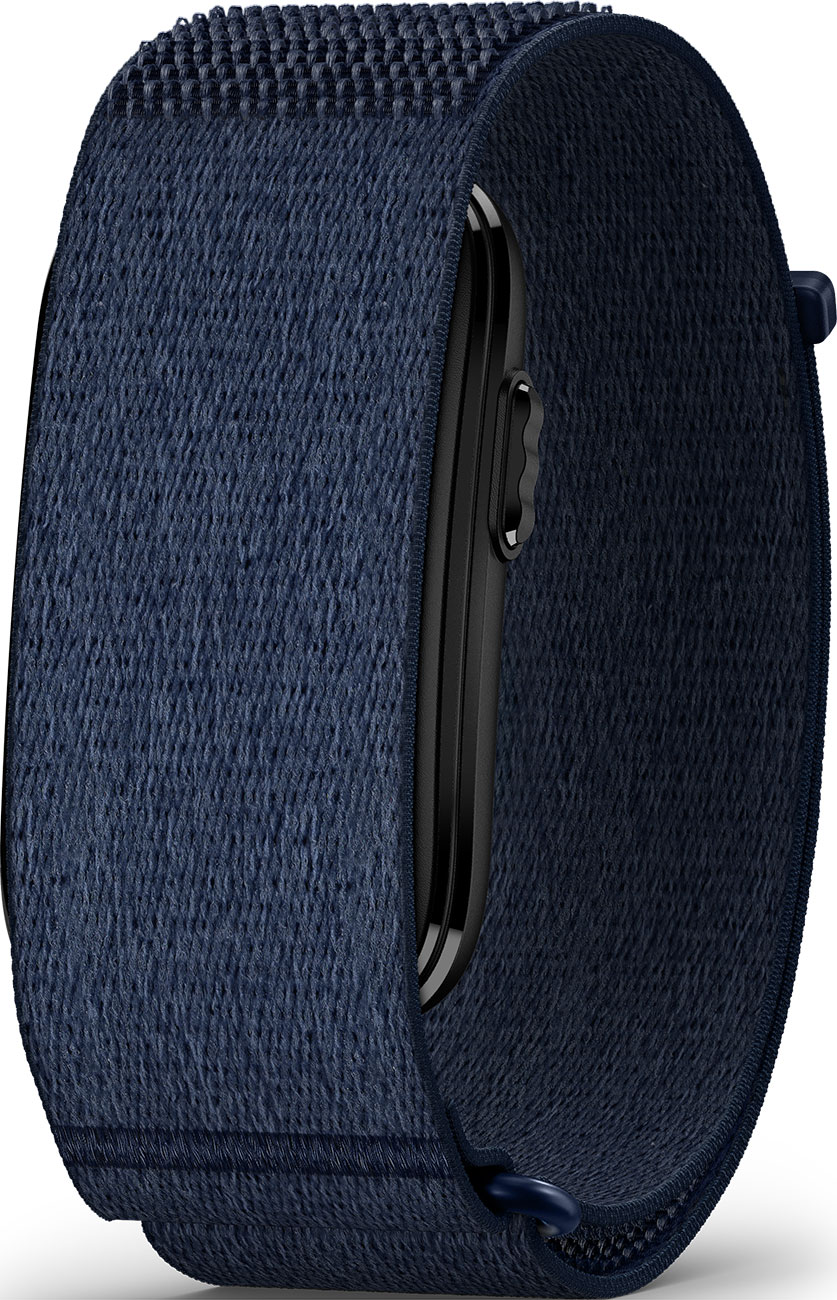
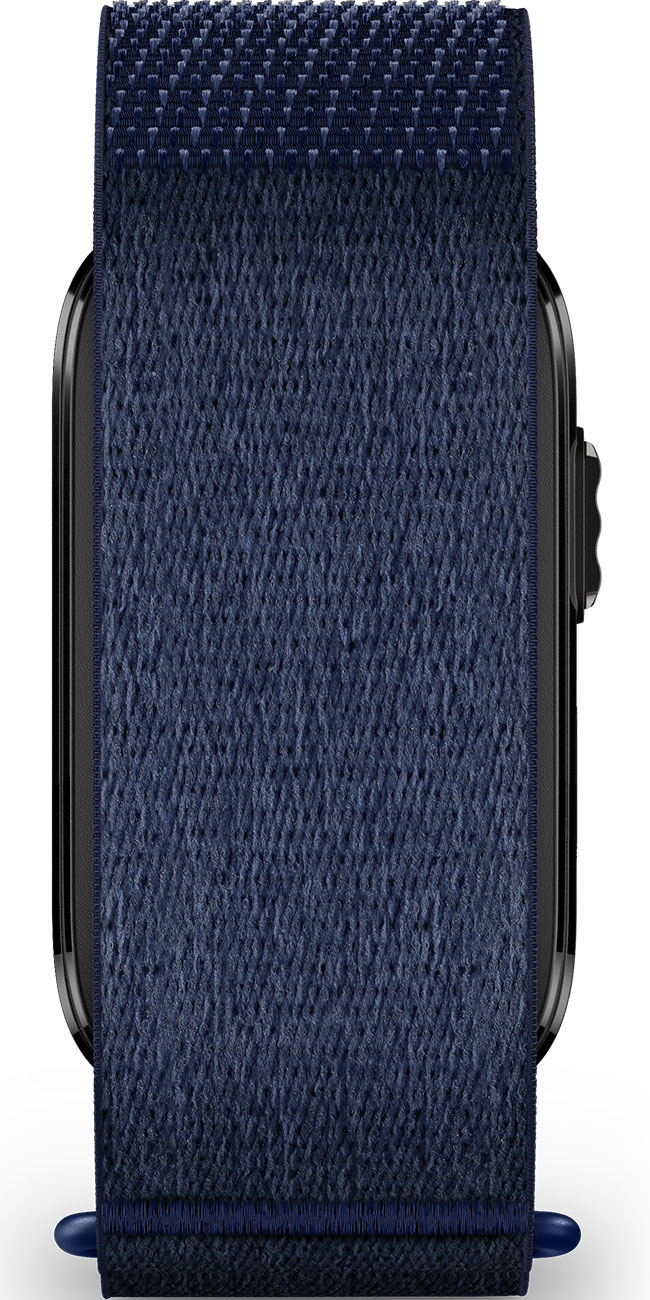
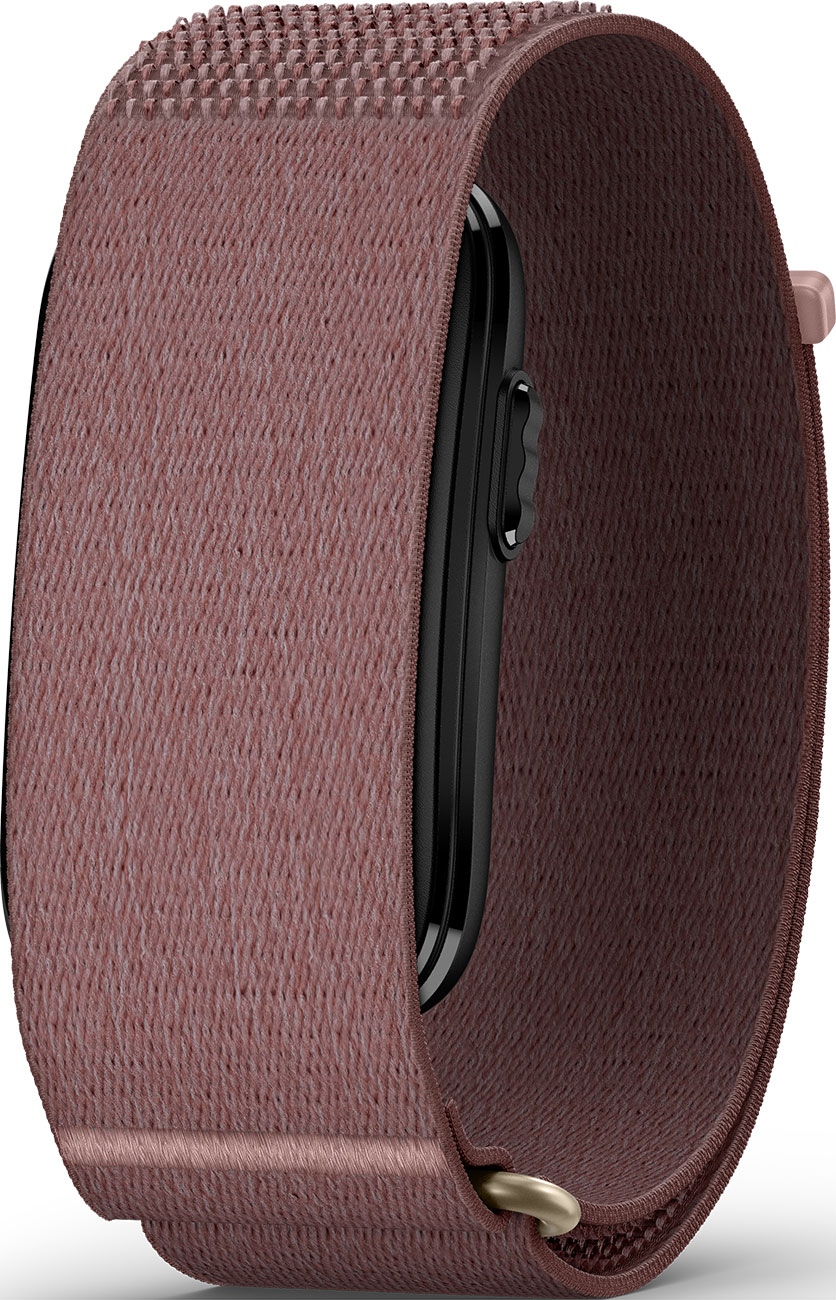
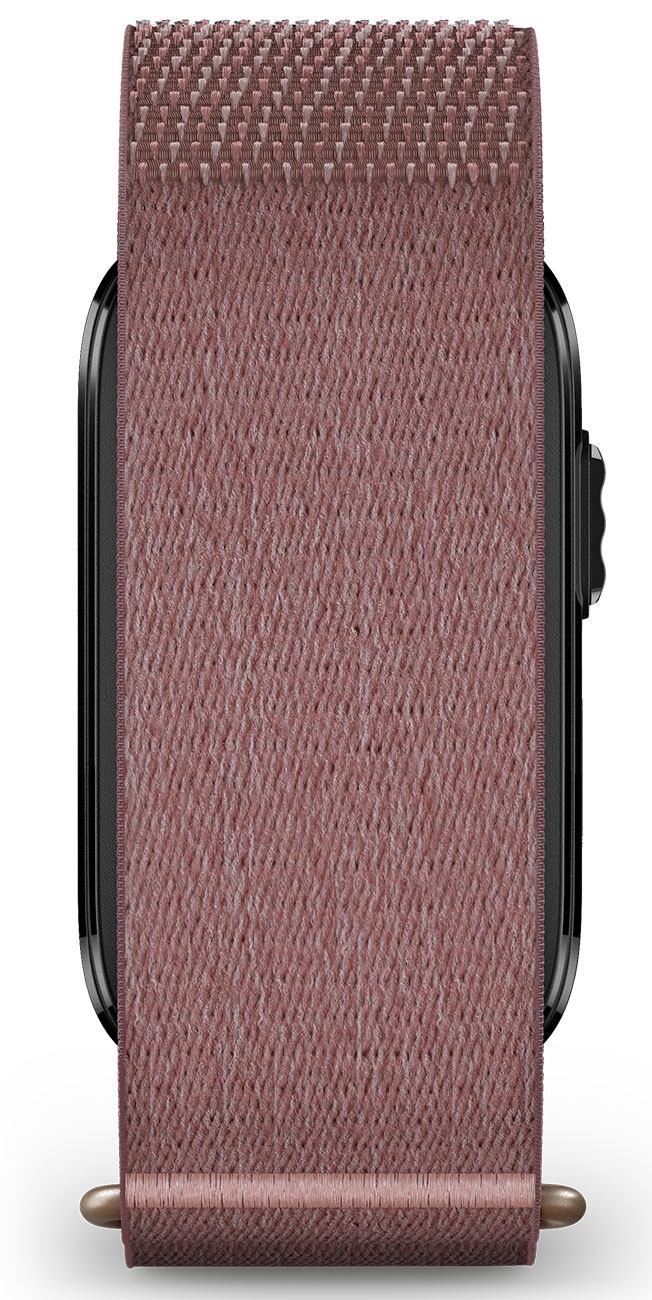
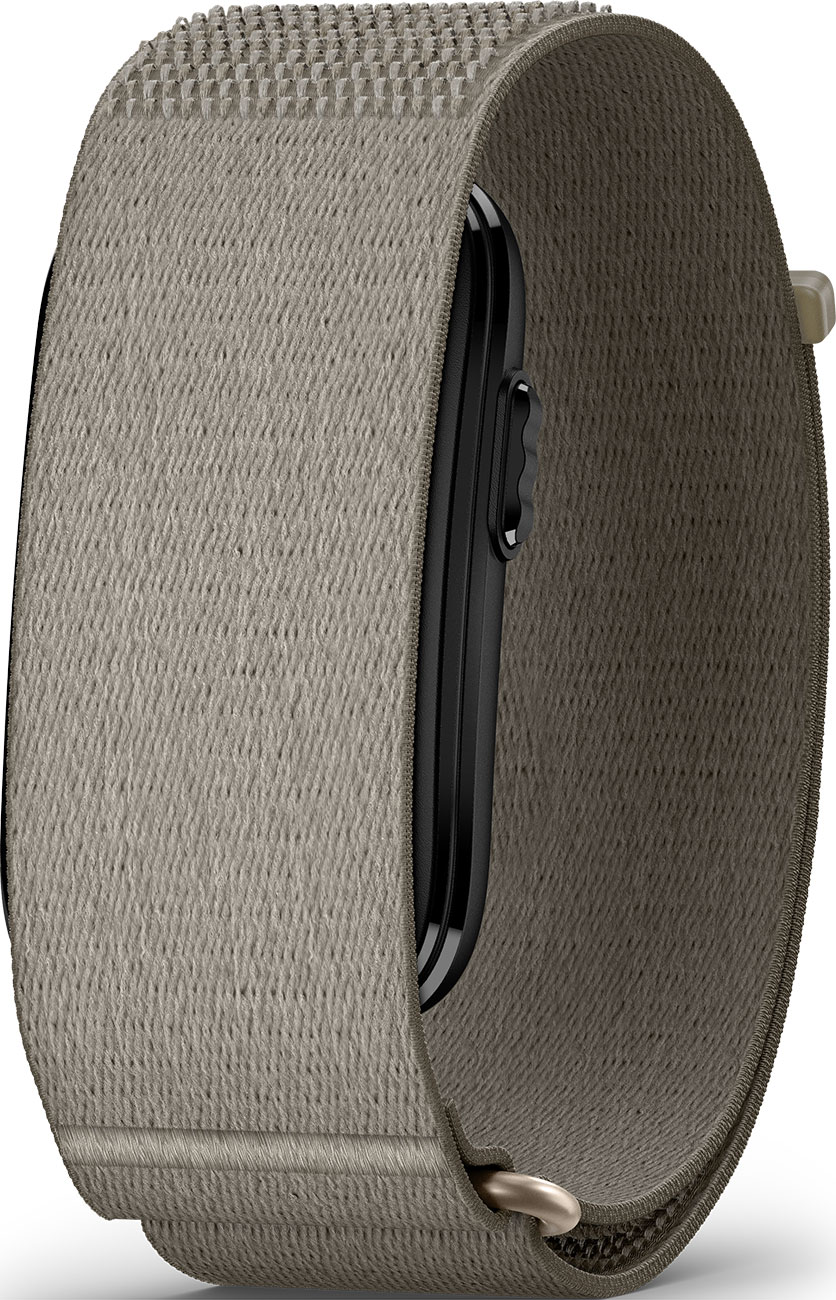
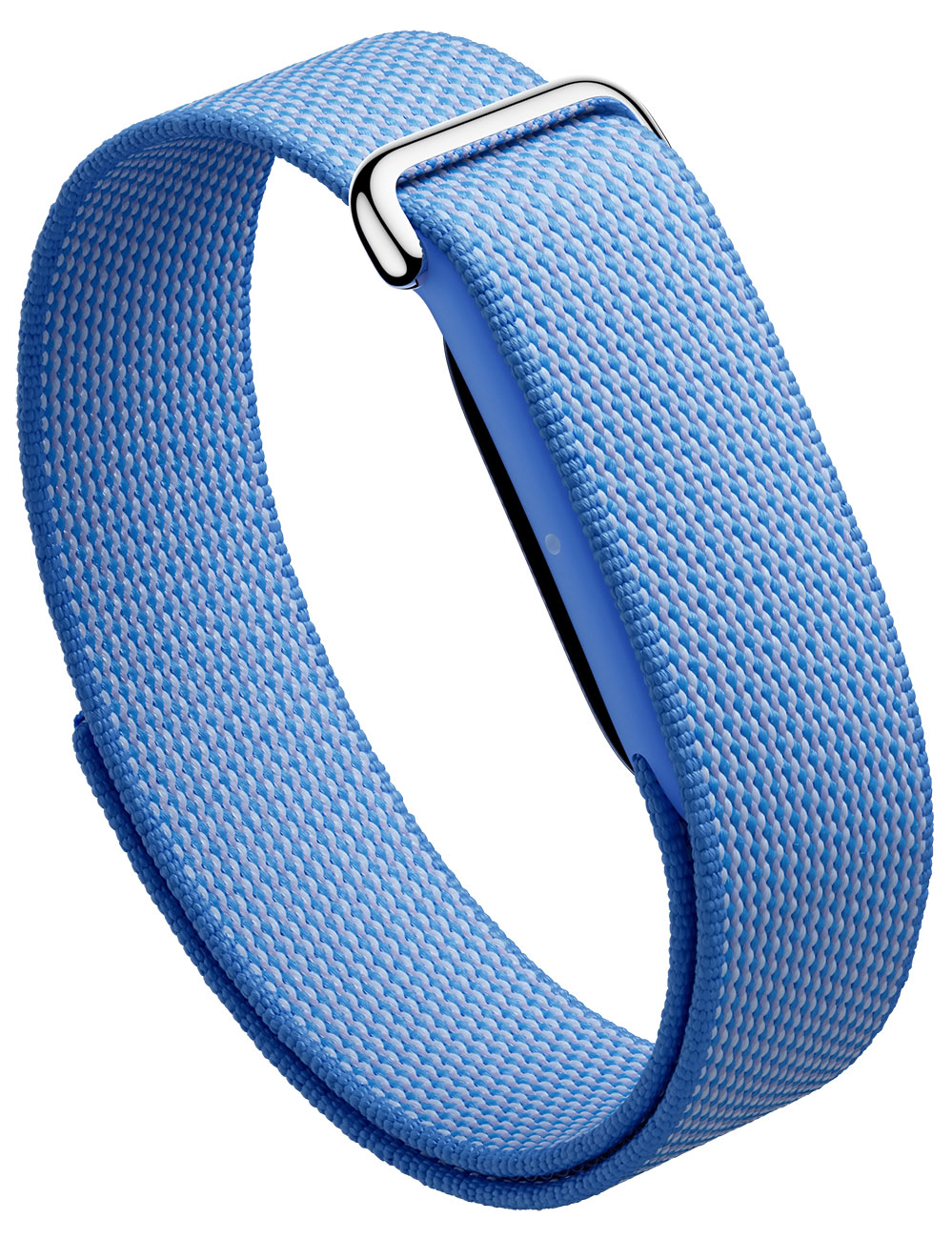
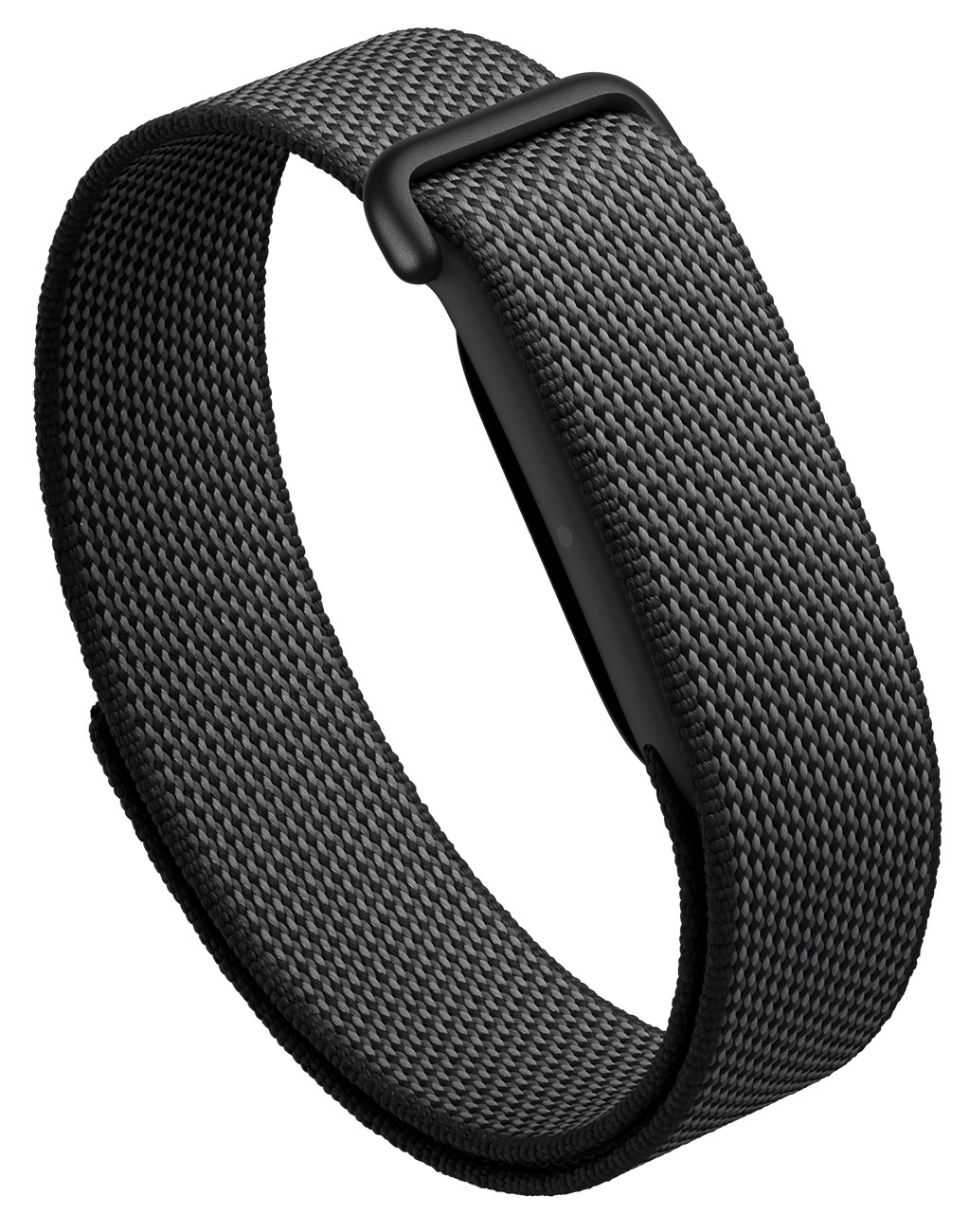
The Garmin Cirqa comes in four color options at Abt: black, Captain Blue, French Gray and mauve. Its soft fabric band sits comfortably on your wrist, both during the day and throughout the night. The charging port is discreetly placed on the back of the sensor. When fully charged, you'll have up to 10 days of health and wellness tracking before needing to recharge. From 0%, it'll take about 90 minutes to reach a full battery.
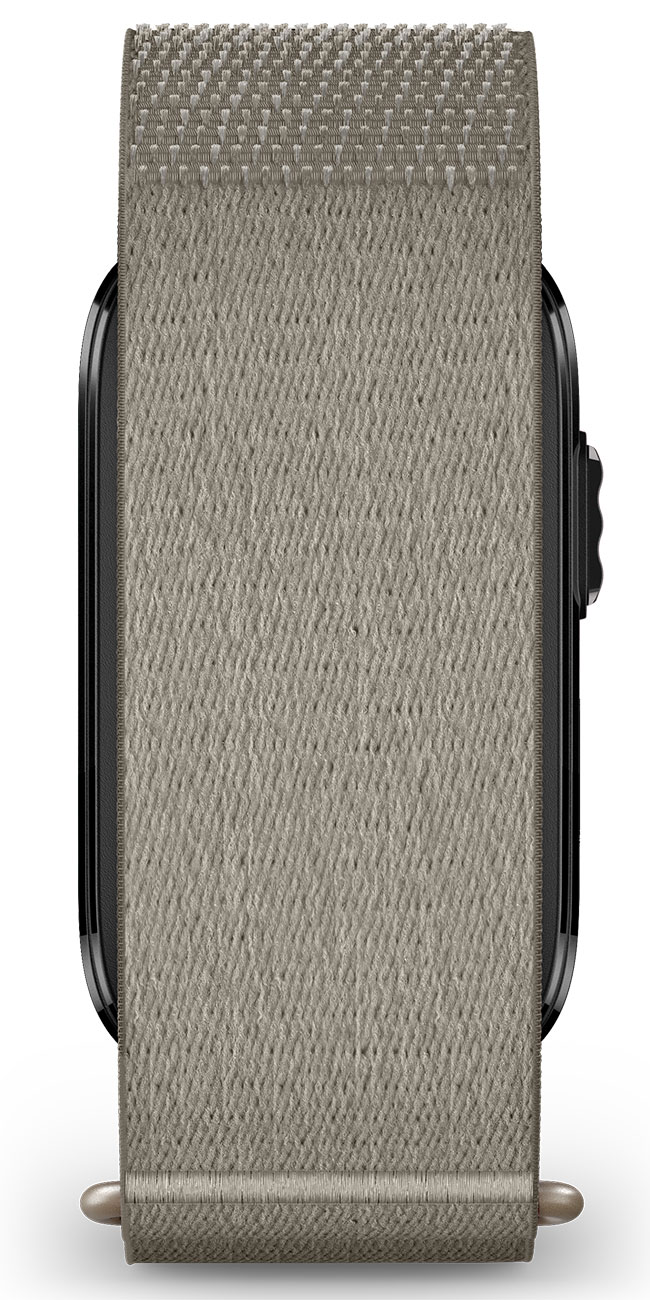
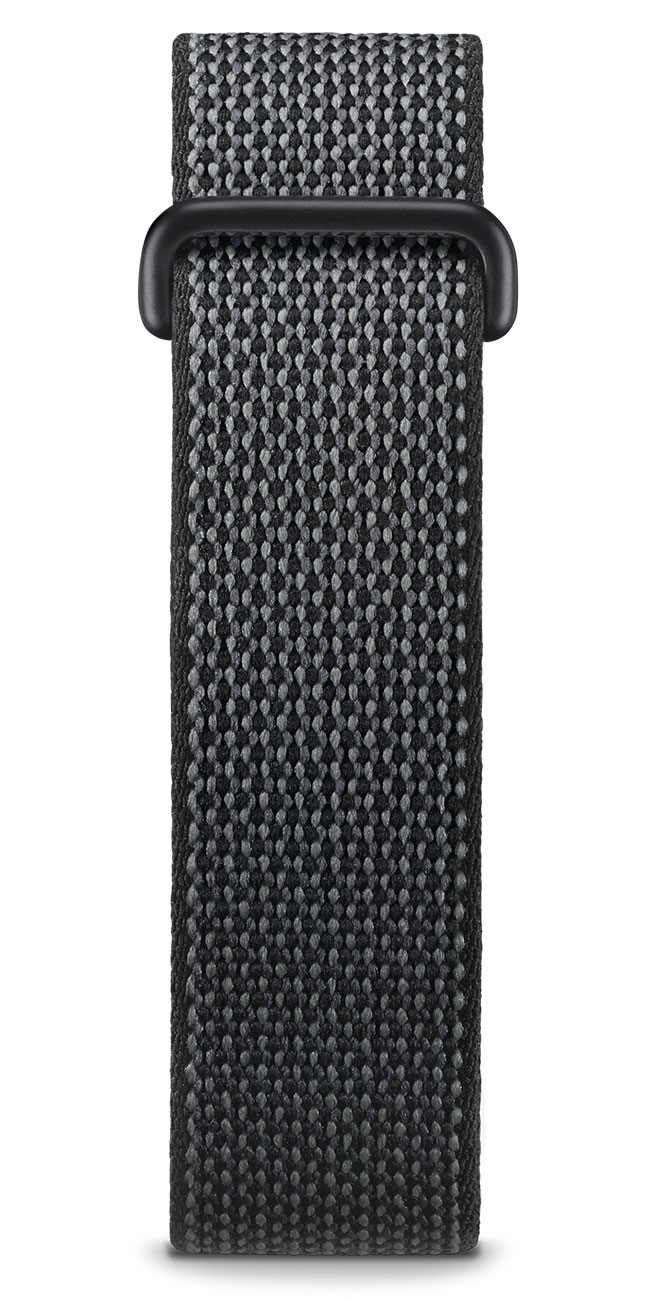
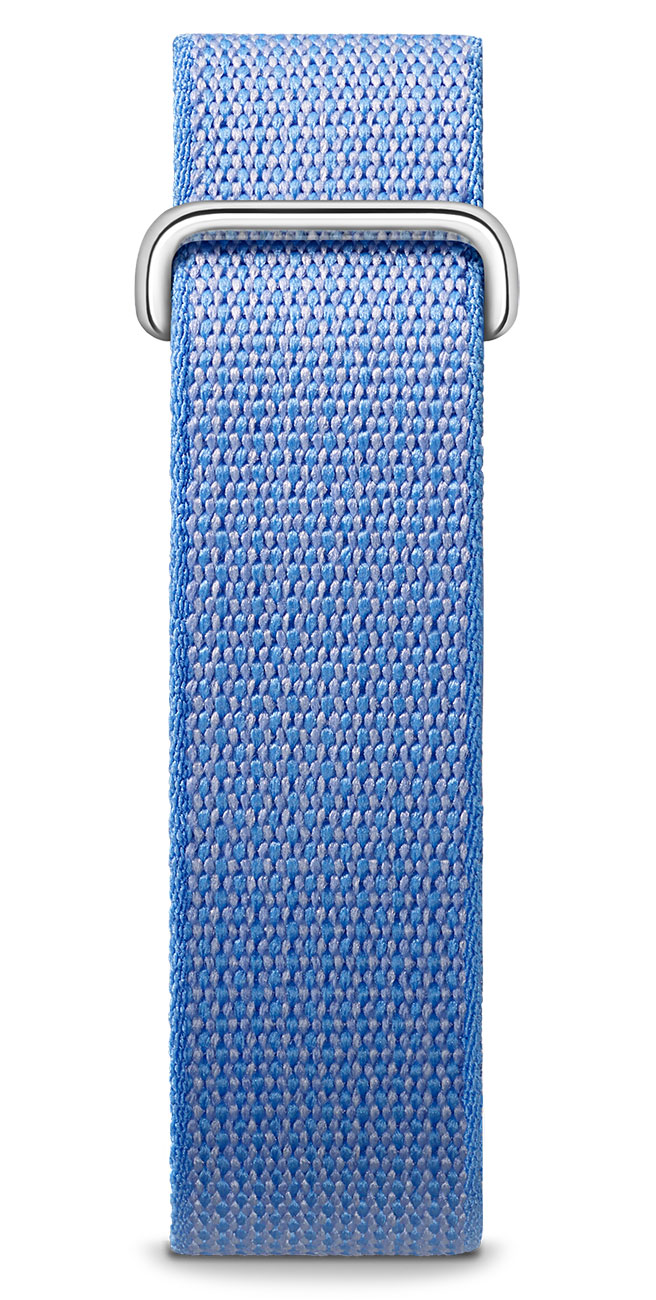
On the other hand, the Fitbit Air is slightly slimmer and has a week-long battery life, effectively tracking each snooze and workout you complete. Similarly, you'll need to wait 90 minutes for a full recharge. For this wearable, there are two color options at Abt. Whether you opt for obsidian or lavender, the band's micro-adjustable fit provides endless comfort. If battery life isn't a concern, then the choice between the Garmin Cirqa vs. Fitbit Air ultimately comes down to your personal preference.
Tracking Workout and Fitness Data
Next up for our Garmin Cirqa vs. Fitbit Air comparison is how the two monitor your workouts and daily movement. Similar to classic models, each monitors your step count, calories burned and your heart rate. Instead of a built-in GPS, the bands rely on your nearby phone for accurate distance tracking. For water-based activities, both are water-resistant up to 50 meters.
With the Garmin Cirqa, you can either manually start a workout in the app or let the band automatically detect the activity. The more you move, the better the band gets at classifying your movements. You can also personalize the on-device button to start/stop one of the 80+ activities in the app. Collected data is used to help the band calculate your Training Status, Training Readiness, Body Battery™ and your fitness age. Each is designed to help you understand what your body can handle, from intense runs to relaxing yoga sessions.
Turning to the Fitbit Air, your Cardio Load, active zone minutes and total distance traveled are automatically logged. When a workout is detected, it'll start tracking and classify the movement from its catalog of over 40 exercise modes. If you want to start tracking a specific workout manually, then you'll need to open the Google app. Your Readiness Score is provided each morning and functions similarly to the Training Status and Training Readiness features of the Cirqa. A higher score means your body is ready to handle more difficult workouts, while a lower one suggests low-impact movements. For this category, the decision between the Garmin Cirqa vs. Fitbit Air comes down to how much you prioritize workout tracking. If you like to complete a variety of exercises or have specific fitness goals, then you may want to opt for the Fitbit Air.
Prioritizing Health and Wellness
Exercise isn't the only factor for maintaining a healthy body. Other elements, like sleep quality, are just as important. That's why wellness is next for our Garmin Cirqa vs. Fitbit Air comparison. Advanced sensors in the Garmin Cirqa allow the band to accurately detect when your body's awake vs. asleep. When you wake, a sleep score is calculated. Use this score alongside Garmin's unique sleep coach to learn how you can better align with your body's circadian rhythm. The band can even act as a smart wake alarm with gentle vibrations, promoting a more natural wake-up call for a smoother transition out of sleep.
Similarly, the Fitbit Air provides a sleep score each morning and breaks down the three sleep stages for deeper insights. The built-in sensors monitor your SpO2, heart rate variability, breathing rate, skin temperature variation and resting heart rate. Google's Health Coach uses this data to give you longer-term plans and day-by-day sleep suggestions. To top it off, the Fitbit Air monitors your heart's rhythm through the night, proactively looking for signs of atrial fibrillation (AFib). As you debate between the Garmin Cirqa vs. Fitbit Air, be sure to consider which aspects of your health you want to monitor closely.

Additional Considerations
Before our Garmin Cirqa vs. Fitbit Air comparison comes to an end, let's go over the extra features and upgrades you'll be getting with each model. As mentioned above, the Cirqa wirelessly connects to the Garmin Connect™ app. If you menstruate, the app lets you log related information as well. You can even track specific lifestyle habits, including caffeine and nutrition intake. Perhaps the biggest perk of the Garmin Cirqa is its subscriptionless use. While other wearables hide many core features behind a paywall, you won't have to worry about monthly payments to get the most out of this product. However, you can pay for Garmin Connect+ for personalized health and wellness plans.
Meanwhile, the Fitbit Air uses the Google Health app to store wellness data. Here, log various information to keep an eye on your overall health and lifestyle. If desired, you can subscribe to the brand's AI-powered Coach to learn more about your health and how you can use the collected data to your advantage. The app saves your daily totals for up to 30 days, allowing you to go back and see how your fitness has improved over the past month. Use these insights to create new goals tailored to your body's abilities and needs.
So... Which is Best for You?
We've covered a lot of information for our Garmin Cirqa vs. Fitbit Air screenless wearable comparison. To recap, the Garmin Cirqa's battery lasts about 10 days on a single charge, meaning data is continuously tracked throughout the night. Your Training Status, Training Readiness and Body Battery™ help you determine what your body can handle, while built-in sleep-tracking sensors help you realign with your body's natural circadian rhythm. And the lack of necessary monthly payments makes it a great choice for those on a budget. All in all, the Cirqa is best for fitness enthusiasts and those wanting more in-depth analysis for their athletic training.
Meanwhile, the Fitbit Air prioritizes overall holistic wellness. The week-long battery lets it monitor key health metrics, including your heart rate, daily step count and calories burned. This data, along with completed workouts, is used to calculate your Readiness score to help guide the intensity of your workouts. In addition to a Sleep Score, the Air keeps an eye out for signs of AFib. Still unsure which model is right for you? Give our team of experts a call at 800-860-3577 for more information or read our guide to buying a fitness tracker to explore the variety of wearables and features available.
Garmin Cirqa vs. Fitbit Air FAQs
-
No, the Garmin Cirqa does not have a built-in GPS. However, the wearable connects to your smartphone's GPS to track outdoor workouts.
-
No, but the Garmin Cirqa does offer a Garmin Connect+ subscription for access to Garmin Coach plans, pre-built workouts and additional Live Activity options.
-
The Fitbit Air has a week-long battery.
-
The Fitbit Air has a specialized coating/treatment that makes it water-resistant up to 50 meters.


