


Polaroid Now+ (Gen 3) vs. Instax Mini Evo: A Comparison
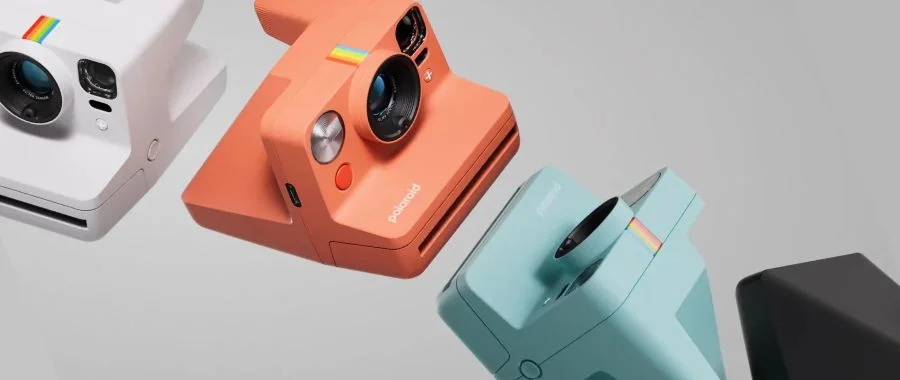

Instant cameras give you an immediate physical memento, making them a fun choice for any photographer—especially if you don't want to wait to share the images with loved ones. Today, we're comparing two popular models: the Polaroid Now+ Gen 3 vs. Instax Mini Evo. These cameras let your creativity run wild with various ways to personalize photos before you pose and snap the shot. And their vintage designs only add to the timeless experience. But...which of these instant cameras is best for you? Below, we dive into the differences between the Polaroid Now+ Gen 3 vs. Fujifilm Instax Mini Evo models to help you choose.
Meet the Instant Cameras

Capturing Still Photos
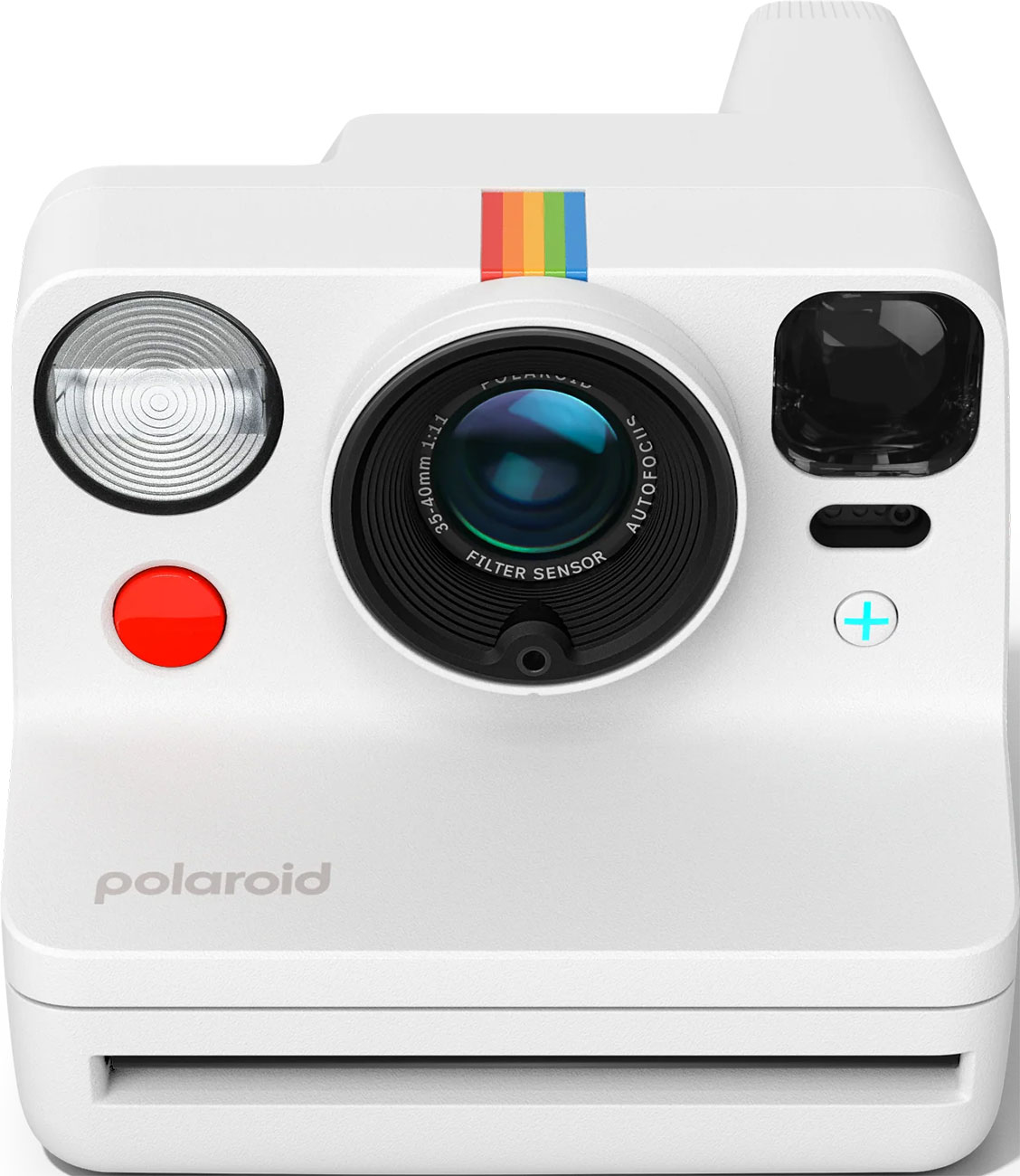
We're kicking off our Polaroid Now+ Gen 3 vs. Fujifilm Instax Mini Evo comparison with their photography functions. Before using either, you'll need to charge and load them with film. Then, you're ready to shoot. The Polaroid Now+ Gen 3 camera has a custom shutter system, which uses a precision step motor. A half shutter press lets you set the exposure, while a full press snaps the photo. When looking through the viewfinder, you'll see what's known as Parallax. In simple terms, you aren’t viewing the direct image. This means you may need to shift the framing slightly left to get the correct shot. When using the human-friendly flash, the Polaroid Now+ Gen 3 model gently catches light to maintain a natural look. After printing, place the image face down for about 10 minutes or until it's fully developed.
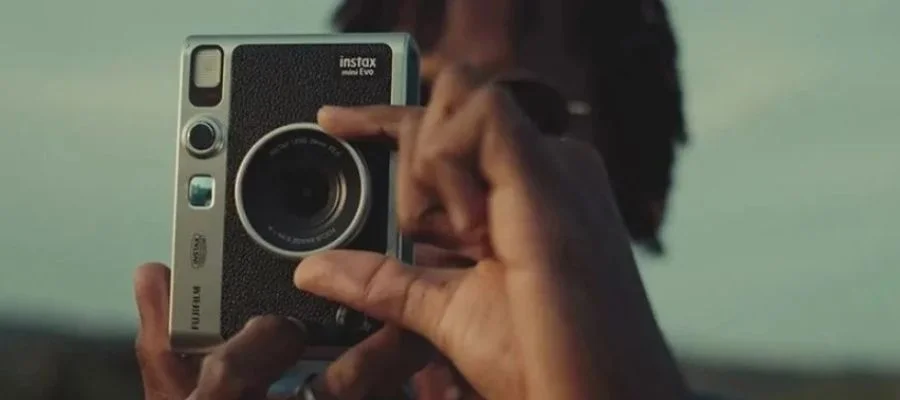
The Instax Mini Evo camera takes a slightly different approach. To power on, move the switch clockwise. Then, make any adjustments using the creative dials, which we’ll talk about later. Unlike the Polaroid model, this camera lets out a beep and displays a green frame over the target as you focus on the subject, which is done with a half-press of the shutter. Give a full press once the shot's lined up. Instead of immediately printing, you get to select which shots you wish to print. After turning the print lever, your photo will fully eject after about 16 seconds.
A Look You’ll Love
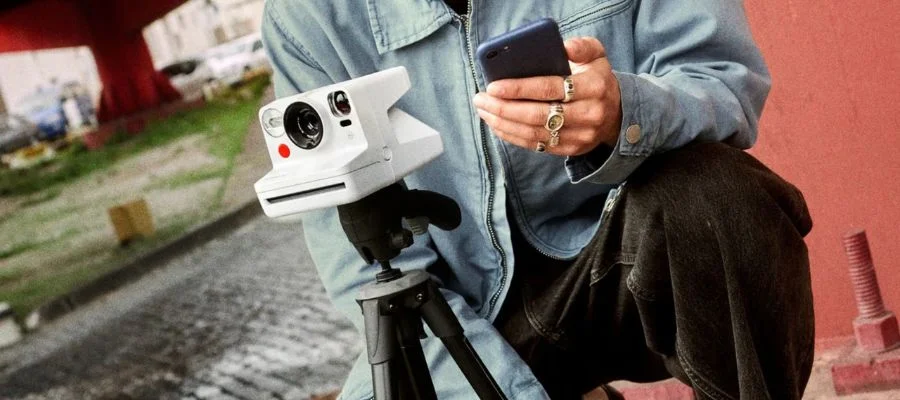
Design is up next for our Polaroid Now+ Gen 3 vs. Instax Mini Evo evaluation. Many can instantly recognize Polaroid models, as they often boast iconic, analog styles. The Polaroid Now+ Gen 3 model follows suit with its vintage look. But don’t be fooled; it’s packed with modern features that make it a must-have, even catching the eye of professional photographers. For example, the built-in tripod mount gives you more flexibility when capturing unique shots or if you want to be featured in them. For these moments, take advantage of the built-in self-timer. Of course, we can’t forget to mention the camera's rechargeable battery. With a USB-C cable, the Polaroid Now+ Gen 3 needs just two hours to reach 100%. A full battery will last through about 15 packs of film.
The Instax Mini Evo has a retro style...but with a few tweaks. Similar to Polaroid's model, this Fujifilm camera pairs modern features with a new-gen analog design, making it a great option for instant camera purists and newcomers alike. It also has a built-in self-timer and a tripod mount, and you can purchase extra accessories, like LED lights, to let your creativity really shine. A potential perk is that this model's slightly smaller, so you can easily slip it into your purse or bag when on the go. At the base of the screen, you’ll notice a sequence of dots. These show the amount of remaining film. When only two sheets are left, the last dots turn red. In terms of battery, the Fujifilm Instax Mini Evo recharges in just two to three hours. When full, the battery is rated for about 100 prints, giving you plenty of time to capture the perfect moment.
Adding a Personal Flair
As mentioned above, both instant cameras give you all kinds of ways to add a creative touch before snapping the photo. Let’s dive into the differences between the Polaroid Now+ Gen 3 vs. Instax Mini Evo image customization options. When in manual mode, the Polaroid Now+ Gen 3 has six usable apertures ranging from f64 to f11. In double-exposure mode, you can layer two images together for a truly one-of-a-kind shot. Regardless of the settings, you'll be able to use the camera’s autofocus to ensure the subject is clear in the final photo.
While the Polaroid Now+ Gen 3 isn't lacking here, this is where the Instax Mini Evo really shines. Its 10 film and 10 lens dials give you 100 different ways to shoot. Experiment with each via the LCD screen and control knobs to bring a personal touch that makes your content just that—yours. If you like more vibrant colors, switch to the camera’s instax-Rich Mode. Or stick with instax-Natural Mode for more classic hues. For this category, we recommend the Polaroid Now+ Gen 3 for photographers who want a more traditional instant camera experience. If you like having more customization options, then the Instax Mini Evo is a great pick.
Explore App Connectivity
What makes these instant cameras stand out from other models is advanced connectivity options with their corresponding apps. Thankfully, both are compatible with iOS and Android devices, so you don’t need to worry about your smartphone type when deciding between the Polaroid Now+ Gen 3 vs. Instax Mini Evo. These platforms give you the ability to reprint photos as needed, meaning you aren’t limited to a single photo. You can even save images directly to your mobile device and send them to loved ones who aren't present. The main difference between the two apps relates to the Instax Mini Evo App. With this platform, you can turn your smartphone into a remote control for the camera. This is especially useful if you wish to be in the shot but want more time than the self-timer allows.
Consider Your Budget
Our Polaroid Now+ Gen 3 vs. Fujifilm Instax Mini Evo comparison ends with their price tag. Depending on your budget, this may be the deciding factor. Both brands are well known and highly sought after, which is reflected in the cameras’ price. The Polaroid Now+ Gen 3 currently retails for $149.99, while the Fujifilm Instax Mini Evo is $234.95. To know if the nearly $85 increase is worth it for you, consider how you like to shoot. Do you like having more creative freedom before the initial shot? Or do you love the traditional method of using an instant camera? And don’t forget that the Instax Mini Evo is slightly smaller than the Now+, making it easier to bring on the go.
| Polaroid Now+ Gen 3 | Fujifilm Instax Mini Evo | |
|---|---|---|
| Included Self Timer? | Yes | Yes |
| Film Type | Polaroid i-Type Film; Polaroid 600 Film | FUJIFILM Instant Film instax mini |
| App Compatibility | Yes; Polaroid App | Yes; instax mini Evo App |
| Bluetooth | Yes | Yes |
| In the Box | Camera, Wrist Strap, Quick Start Guide, Safety & Compliance Leaflet | Camera, Shoulder Strap, USB Charging Cable, User Guide |
Choosing the Best Instant Camera for You
We've gone through everything from smart features to vintage styling with our Plaroid Now+ Gen 3 vs. Fujifilm Instax Mini Evo comparison, and it's clear both models have a lot to offer. The Polaroid Now+ Gen 3 stays true to the traditional instant camera experience while still giving you the perks of modern features. It's compatible with two film types, has six aperture settings and recharges in just two hours. Creatives may prefer the Fujifilm Instax Mini Evo, as the lens and film dials provide over 100 ways to shoot. It's also more compact, which is ideal for on-the-go use. Regardless of which model you choose, their compatible apps let you reprint and download photos as needed, so you never have to worry about losing your mementos. Still unsure which camera is best for you? Reach out to experts at 800-860-3577 to learn more.
Polaroid Now+ Gen 3 vs. Fujifilm Instax Mini Evo Cameras FAQs
-
The Polaroid Now+ Gen 3 instant camera is compatible with both Polaroid i-Type and Polaroid 600 film, which has a battery in the bottom of the cartridge.
-
The Polaroid Now+ Gen 3 instant camera recharges in just two hours.
-
Yes, the Fujifilm Instax Mini Evo instant camera can save photos to your smartphone.
-
The Fujifilm Instax Mini Evo instant camera can print about 100 photos on a single charge.
-
Definitely, especially for anyone looking to dip their toe into the world of photography.


