


TCL QM7L vs. QM8L: Comparing SQD-Mini QLED TVs
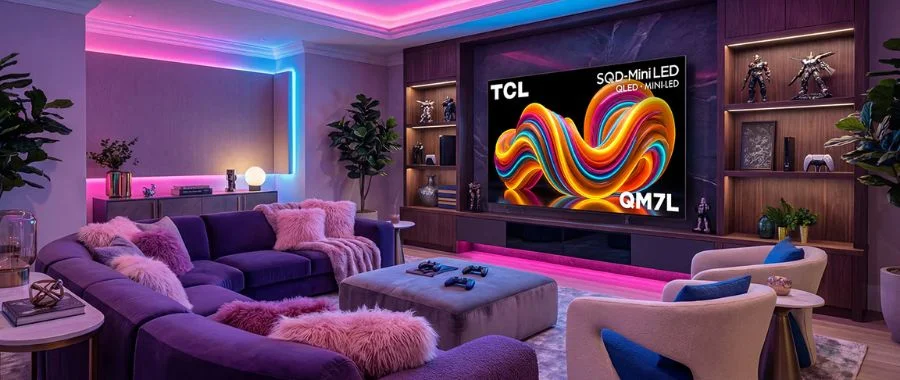

Whether you've been stunned by the year's latest RGB TVs-some of the newest TV tech in years-or are considering a classic OLED, another of 2026's latest TV technologies is a stunner that only belongs to one brand: TCL. Super Quantum Dot, or SQD-Mini LED technology is exclusive to TCL and only found in a few of their televisions so far, like the QM7L and the QM8L. It first premiered at CES 2026 with the X11L TV. The draw? Incredibly vivid color with impressive contrast, deep blacks, bright whites and immersive viewing. But which one would fit your home best? We're examining these televisions from all angles to give you the answer in the TCL QM7L vs. QM8L comparison: which is right for you?
Meet the SQD-Mini LED TVs
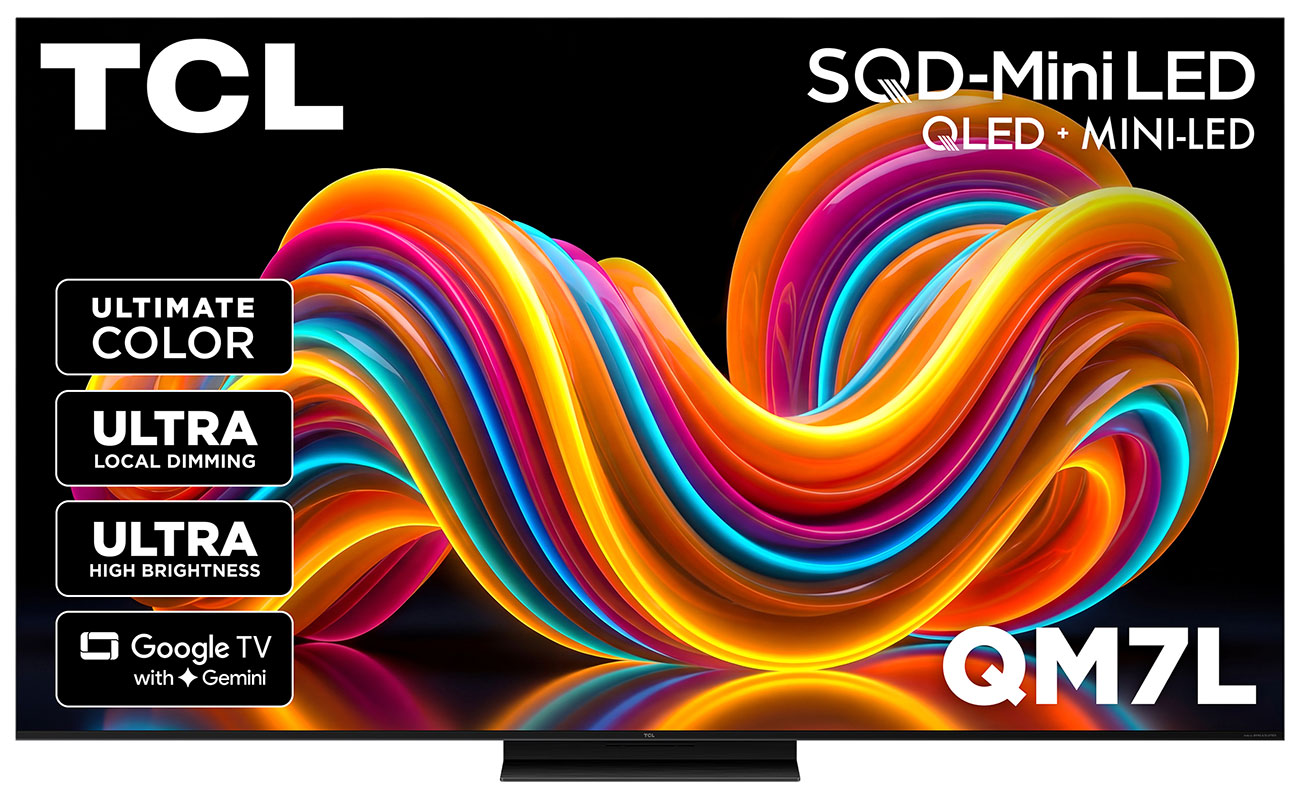
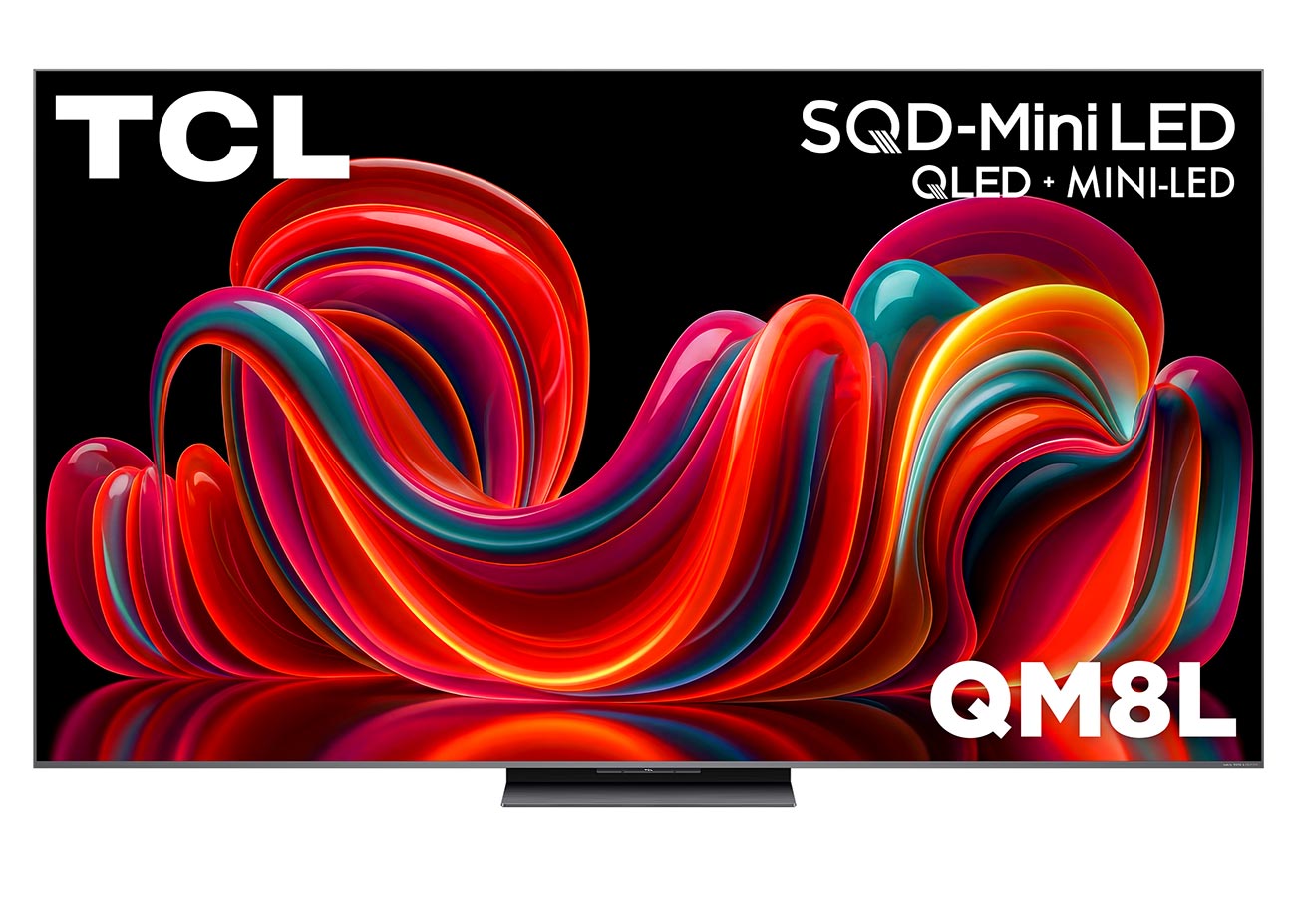
Compared to Their Predecessors
These TVs didn't come out of nowhere; their predecessors are the QM7K and the QM8K. However, the technology the new screens use to deliver an incredible picture is completely different. The last generation used QD-Mini LED tech to deliver brightness and color with the perfect mix of QLED and Mini LED technology. The goal? To bring impressive brightness as well as contrast that was near OLED-level. Now, we have the upgraded SQD TVs of 2026 that go beyond what QD-Mini LED could do-TCL says that the new technology goes far beyond what classic quantum dot technology can do, with a 33% increase in color gamut and 69% boost in quantum dot performance.
What Is SQD, or Super Quantum Dot Technology?
In the TCL QM7L vs. QM8L battle, it's important to know the technology that sets them apart from the crowd. SQD-Mini LED was first unveiled at CES of 2026, and the TCL-exclusive technology focuses on the purity of color onscreen. The goal is to bring true color accuracy, all while lowering color crosstalk. The technology brings a massive amount of the colors that the human eye can see to life with full BT: 2020 reproduction, as well as DCI-P3, and Adobe RGB colour spaces.
At the base level, light is filtered differently with SQD televisions. While RGB Mini LED tech adjusts the backlight, SQD Mini LED TVs use classic blue LED backlights with all-new quantum dots, but the difference is in TCL CSOT's UltraColor Filter. The TCL QM7L and QM8L are directly competing with RGB TVs ... but what if you know you're ready for the SQD tech, and want to choose between these TVs?
The Screen Sizes
The screen sizes alone can be a make-or-break feature for some. You may want a massive television, or perhaps you're looking for something that will fit well in a smaller living room. When comparing the TCL QM7L vs. QM8L, the TCL QM7L comes in a 55-inch, a 65-inch, a 75-inch, an 85-inch and a 98-inch size. The QM8L version comes in all the same sizes ... except for the smaller 55-inch version. All of these TVs are mid-to-large-sized, and any one of them would look great in a classic entertainment space, while the largest models would fit a home theater perfectly.
Which Screen Tackles Super Quantum Dot Better?
It's the TCL QM7L vs. QM8L: which one handles SQD-Mini LED technology better? Here, we'll pit the more budget-friendly model and the higher-tier version against each other, and you'll see where the real differences lie.
Dimming & Brightness
When it comes to levels of brightness, the previous models were impressive with QD-Mini LED construction. Now, things go even further with Super Quantum Dot tech. It begins with the TCL QM7L and its 3,000 nits of peak brightness. There are almost as many dimming zones, too: 2,100+ different dimming zones help this television reach high for brightness and achieve deep blacks and shadowy contrast you won't find on a classic Mini-LED television. Next, the QM8L. This TV kicks everything up a notch with a peak brightness of up to 6,000 peak nits and over 4,000 different dimming zones. That is an impressive difference in performance, and one that cinephiles would notice in the battle of the TCL QM7L vs. QM8L, especially if the televisions were placed side by side. That being said, they both handle bright tones and shadows incredibly, and if you're a casual watcher, this difference might not mean the most to you.
Color
Next up, color. It's the place where these two televisions differentiate themselves from the crowd, so how are they different from each other? First, the higher-tier QM8L uses all those brightness-boosted capabilities and dimming zones in every picture ... and it's one reason why the colors might be a bit more vivid here, even when both televisions use that Super Quantum Dot tech. The TCL Advanced Color Purity Algorithm is here across both televisions and brings incredibly rich hues that feel natural from frame to frame. Both support HDR10+ and Dolby Vision for even better color and contrast as well. The color details are accurate, whether you're watching a nature documentary or playing a video game. And that boost in color accuracy is also due to the QM8L's impressive processor, which we'll dive into below. Both televisions have incredible color displays, especially when compared to other technology. But in the battle of the TCL QM7L vs. TCL QM8L, the QM8L wins. That being said, some may prefer the less vivid hues of a QM7L-it can feel more natural to some. If that's something you're worried about, seeing them in person might be a good idea before you purchase.
Black Levels
Just like the QM8L was able to reach those peak brightness levels, it has all of those extra dimming zones. More dimming zones means more detail when it comes to black levels and shadows, no matter what you're watching or playing. The display's individual zones brighten and dim independently, allowing you to get a good look at the monster in the corner of the room in that horror movie. Impressive contrast ratios on each TV ensure that you'll see vibrant differences between blacks and whites. The QM7L brings you a 6000:1 static contrast ratio, while the QM8L takes things even further with a 7000:1 static contrast ratio. The QM8L beats the QM7L in this realm ... but that doesn't mean that this SQD-Mini LED TV isn't impressive. With how many dimming zones it has (reminder: more than 2,100), you'll have no trouble with the pesky light blooming you can find in some TVs. Its black levels and shading is mighty impressive, but not OLED-level.
The Processor
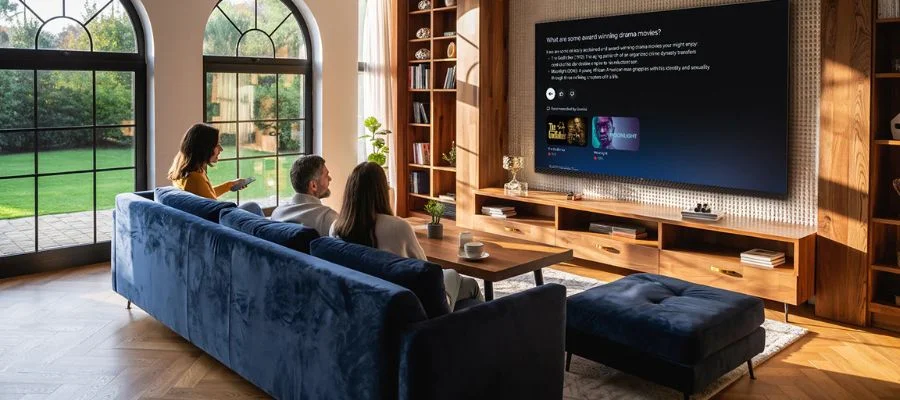
In the battle of the TCL QM7L vs. QM8L, each television's processor makes a huge difference. Upscaling, smart TV tasks, AI capabilities, it all comes down to the processor. The QM7L is equipped with the TSR AI Processor, and it's designed to push the picture to its limits. Before anything, it prioritizes dimensions like clarity, contrast, color, motion, upscaling and backlighting. With all six of these dimensions working at the same time, the chip in the QM7L ensures that anything onscreen looks its best-or better. All of the processing, AI and intelligence in the television starts here. The TCL QM8L features a boosted version of this processor-the TSR AI Pro Processor-and it can deliver the better color contrast and image upscaling that users would expect in a higher-tier television with a new display technology. The Pro version found in the QM8L pushes the boundaries even further, delivering that difference in color contrast and brightness you'll see if you're looking at the two TVs standing side-by-side. If you're looking for the smarter, mightier television, it's the QM8L. That being said, there's a lot you can change by tweaking picture settings on the QM7L, and some find the color and brightness on the QM7L to be more pleasing than the version that's powered by the supercharged chip. Both televisions run Google TV, an intuitive smart TV platform that's an easy-to-use hub for all of your favorite apps and streaming platforms.
Anti-Glare & Reflection
Next up, reflectivity and the proper viewing angles. With recent improvements in anti-glare technology, more and more televisions have been released that decrease glare, and make it easy for viewers to watch what's on the television from different angles in the room. Both of these glossy TVs use an anti-reflective panel with anti-glare layers that will help viewers catch subtle details, even in bright rooms. Some have reported that the QM7L does better with diffusing light than the higher-tier model does. That being said, if you turn the brightness up on the QM8L, you'll have a hard time seeing any reflection at all. Both TVs can handle glare well, though it's worth noting that neither has the kind of matte finish you'd find in some models made by Samsung, such as the S95D and the latest Frame model (and that matte screen brings criticism from some for softening image clarity). Both televisions have wide viewing angles that let you fill the room for sports and movie nights. Even folks sitting off to the side can enjoy what's onscreen, though the QM8L is better if you'll be doing a lot of off-angle viewing.
A Sonic Boost From Bang & Olufsen
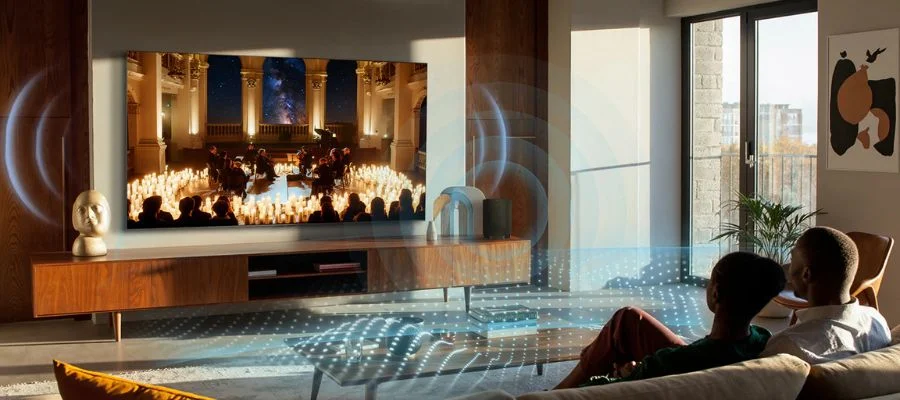
Bringing in audio at the caliber that these SQD-Mini LED TVs are functioning at is a high ask, but TCL manages to make it happen with help from a big name: Bang & Olufsen. If you're looking for a boost in audio for a home theater, you can always upgrade with external subwoofers, a soundbar or dedicated side-, front- and rear-channel speakers to complete your Dolby Atmos system for full sensory immersion. But as it is, the audio is impressive on both TVs as we consider the QM7L vs. the QM8L.
Which Is Better for Gamers?
So far we've discussed all of the ways that these televisions are great for everyday watching and cinephiles, but what about for gaming? Players, check out the stats below and see which one is right for your playstyle, whether you're a PC gamer, a console player or a little bit of both. You'll want to make sure you have the right number of HDMI ports, enjoy smooth gameplay and more. One thing to consider that's not on the table is a bit of motion blur, which can be seen on both televisions when objects move quickly on the screen. If you need the speediest of televisions, pro-tier competitors might be better with a monitor instead. But if you're less competitive or are looking for a multipurpose TV for a console or a low-level PC, both check all of the crucial gaming boxes ... and everything onscreen will look amazing. So far, we're painting a (colorful) picture of televisions that bring incredible displays to all corners of entertainment.
| Gaming Feature | TCL QM7L | TCL QM8L |
|---|---|---|
| HDMI 2.1 Ports | 4 | 4 |
| Resolution/Hz | 4K at 144Hz | 4K at144Hz |
| VRR | Yes, 288 VRR | Yes, 288 VRR |
| ALLM | Yes | Yes |
| FreeSync Premium Pro | Yes | Yes |
| Game Bar | Yes | Yes |
The Look
With the size of modern TVs, they make a statement in our homes, and that's something to consider if you'll be placing yours in a living room. In the TCL QM7L vs. QM8L battle, there are two main different styles, and they involve the TV frames, or borders. The QM7L has a slim, classic frame, the kind that you'd expect to see on any television. It's a slim frame, but it's noticeable. Then there's the QM8L and its ZeroBorder™ design. With ZeroBorder™ technology, viewers see more of the on-screen content, and less of a classic bulky frame. It's edge-to-edge entertainment that lets you feel like you're in the action. The look minimizes that element of hardware, and if your television is mounted on the wall, you'll enjoy a floating look thanks to the QM8L's ZeroBorder™ tech.
Which TCL SQD-Mini LED TV Is Right for You?
We've gone through the key TV elements in our QM7L vs. QM8L comparison, so now it's time to decide which one is right for you and your needs. The answer might feel tough; they both use the same image technology, SQD-Mini LED, and it brings vibrant color and impressive contrast to both screens. But the higher-tier model's impressive chip goes beyond, bringing you extra brightness, more vivid colors, and even deeper blacks. That being said, don't sell the QM7L short: Some like the way it handles reflections better than its competitor, and it does have many of the best aspects of the QM8L at a more budget-friendly price. You're getting impressive color, deep blacks, great gaming features and boosted sound quality, all for less. In the battle of the TCL QM7L vs. QM8L, you can get the greatest when it comes to color, or you can get some of the best features and still stay within your budget. Order yours from Abt online, or reach out to our team of specialists at 800-860-3577 if you have questions. Hoping to learn more about the flagship TCL SQD-Mini LED TV? Read up with our post on the TCL X11L SQD-Mini LED TV.
TCL QM7L vs. QM8L FAQs
-
SQD-Mini LED TVs are televisions that supercharge quantum dot technology for a Mini LED screen with incredibly rich colors. Everything looks cleaner, brighter, and more refined, with a focus on controlling and refining both color and light.
-
TCL TVs aren't just good, they're at the cutting edge of television technology, and they don't follow the pack. In a time where other manufacturers are pushing for new RGB televisions, TCL is refining its own technology, SQD-Mini LED.
-
You can buy TCL TVs at Abt, either online or in-store. We deliver all across the country.


