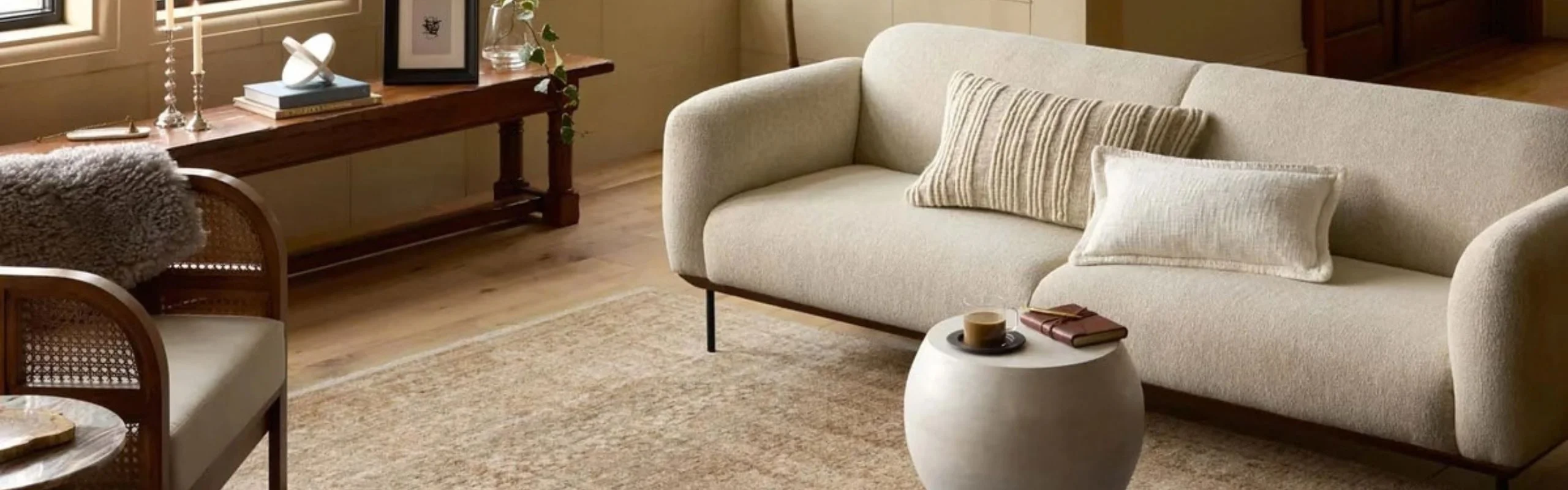
How to Measure for a Rug

Getting Started
Learning how to measure for an area rug isn't tough, and while the general rules are easy to understand, they're flexible. One of the mistakes that everyone makes at least once in their life is buying a rug that's too small for their space.
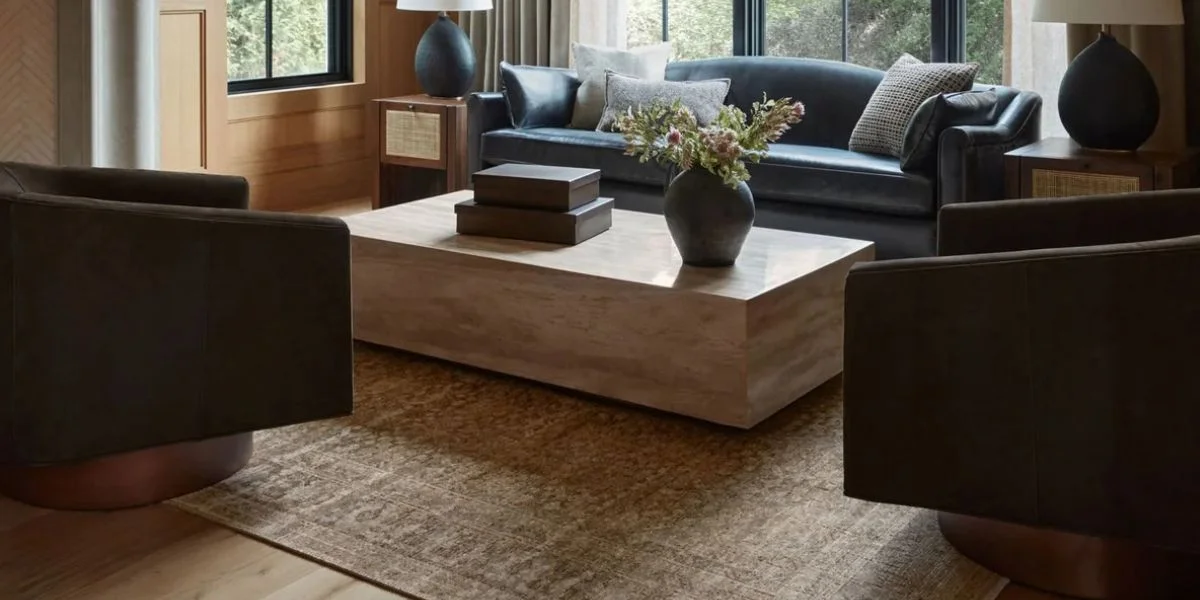
When learning how to measure for a rug, know that in almost (but not every) case, you'll want to go big. It helps any room feel larger than it may actually be and gives you more breathing room, making these a great choice for large and small homes alike. Before you measure, keep a few other things in mind, like your ideal rug shape, the distance you'll want around the rug (10 to 12 inches at the very least), any rugs you already have and why you may want to replace them.
The Masking Tape Method & Popular Sizes
Then it's time to get out the masking tape and a tape measure. To learn how to measure for a rug, it can be a good idea to use your furniture as a guideline. Mark the corners with your tape and note the measurements with a pencil and paper, keeping measurements precise and your lines straight. Now it's time to take a look at classic rug sizes:
- Rectangular Rugs: 2 feet by 3 feet, 3 feet by 5 feet, 4 feet by 6 feet, 5 feet by 7 feet, 6 feet by 9 feet, 8 feet by 10 feet, 9 feet by 12 feet, 10 feet by 14 feet, 12 feet by 15 feet
- Round Rugs: 4 feet, 6 feet, 8 feet
- Square Rugs: 6 feet by 6 feet, 8 feet by 8 feet
- Runners: 2 feet by 6 feet and 2 feet by 9 feet
There are other sizing options, but these are some of the most popular. Keep these in mind as you look at your space and take measurements. From extra-large area rugs to slimmer, longer runners, each rug has its purpose.
Measuring for a Living Room
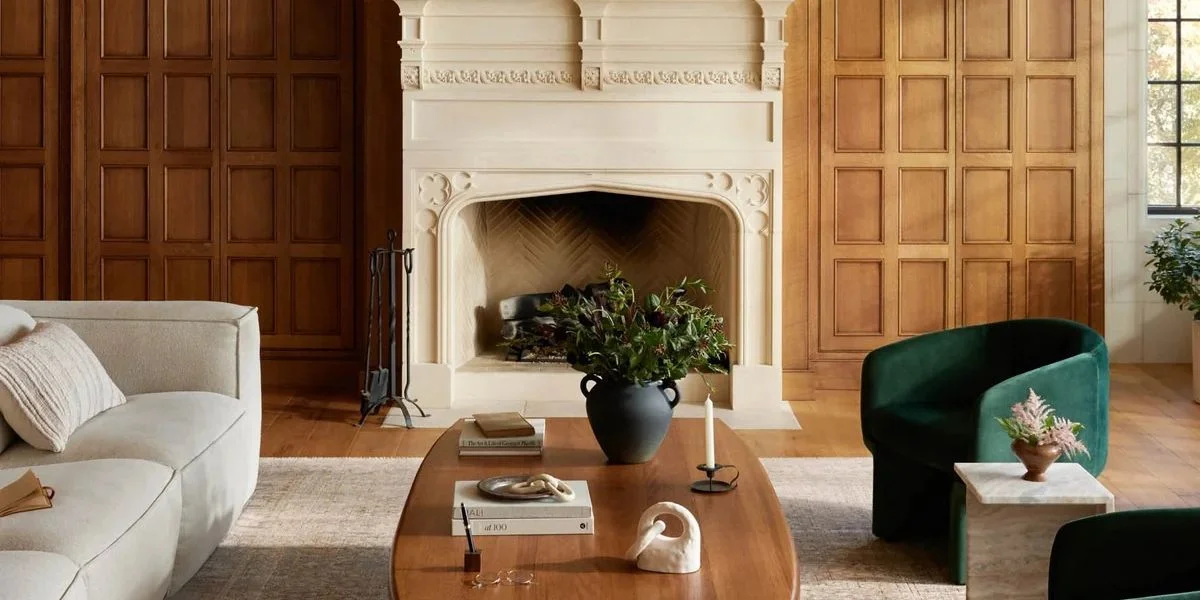
When measuring for an area rug, the best scenario is to have all four legs of a central coffee table, as well as those of chairs and other seating directly on the rug. If that isn't possible, see if you can get the front two legs of sofas and seats to sit on the rug instead. We've listed common rug sizes above, but there are rugs that go smaller, larger or in-between. Explore which size would best fit your living room, and consider that you may need to change your rug size (or your layout) to get the best look. No matter what size rug you choose, you're going to want to leave some distance between the wall and the rug; anywhere between 10 inches and 24 inches depending on your space. If that doesn't fit your style or it doesn't look its best, tug the rug around until you like the way it borders both your walls and furniture.
If you're stuck between sizes and aren't sure what to do, we recommend going a size up. We mentioned that it makes any room look larger, but it also ties a space together. Everything on the rug looks like it's supposed to be there, lending a new layer of cohesion to a living room. That's something you want for this space, whether you're welcoming a new friend into the home, playing with the dog or lounging with the family.
Styling the Dining Room
When learning how to measure for a rug in the dining room, some of the general tenets are the same. We'll hammer it home again: go bigger instead of smaller if you're on the fence. We know it drives the cost up, but it's twice as expensive if you have to buy a second rug because you don't like how the first fits your room.
The rule to follow for dining room rugs (or rugs for any table, really, including breakfast nooks in an open-concept kitchen) is to pick a size where your table and all chairs sit completely on the rug. It's best if you can choose a rug that's large enough to fit the chairs even when they're all pulled out. Another rule of thumb? See if you can keep a few inches between the edge of the rug and the walls of the room, around 8 inches or more. A snug fit isn't always a bad idea; it keeps the space feeling intimate. But if you want your home to feel more open and airy, you'll want both that fit and the border of 8 inches or more.
If your dining table expands or has a leaf, factor in the expanded size when measuring for your rug. The larger dining table and extra chairs will look their best and fit perfectly, with no awkward additions hanging off to the sides.
An Addition to Your Kitchen
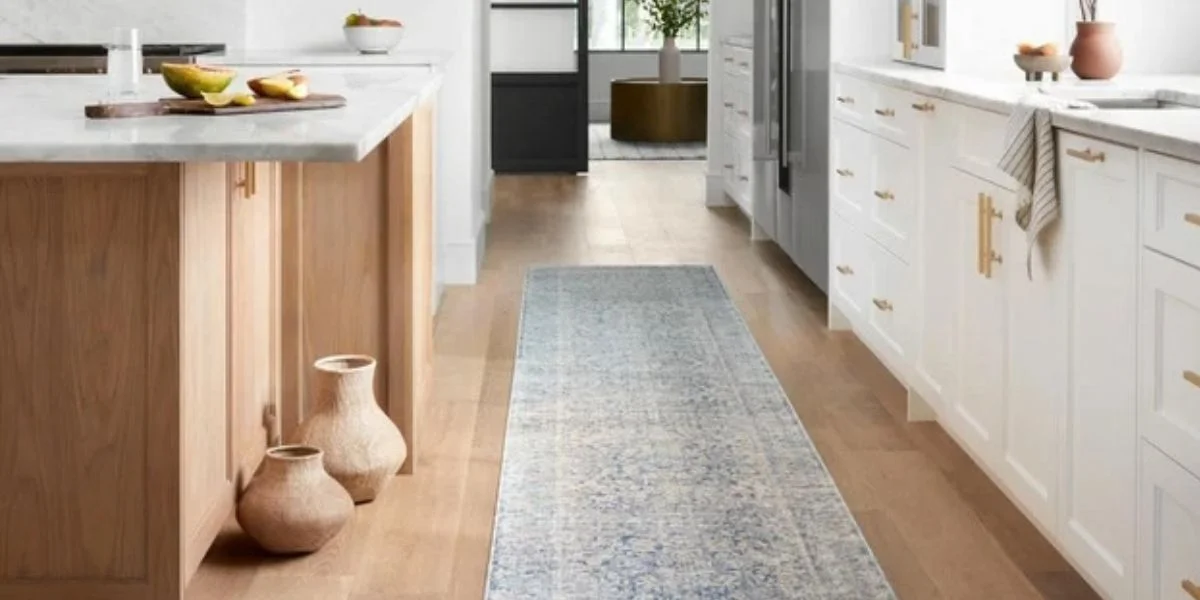
One of the most unique spaces in a home can be its kitchen. With that in mind, how do you choose a rug for one? A lot of that depends upon its layout. For many, this might be the perfect space for a runner—especially in a narrow galley kitchen, or a kitchen with all the appliances along one wall. If you have an island surrounded by cabinetry, you may want to choose a few runners for your kitchen; it all depends upon your layout. If you have no island in your kitchen and it's a more open, larger space, that's when you can look at area rugs to fill the room and make walking around, cooking and doing dishes more comfortable. And if you choose only one rug for your kitchen, consider something small and soft to keep beneath your feet as you wash the dishes, like a 3-by-5-foot rug that balances comfort and style.
Another thing to keep in mind? How you use your kitchen, whether it handles everyday cooking, hosting and serving or extra foot traffic. With all of the commotion, you'll want a rug that's easy to clean, no matter its size. Look for low-pile options that can be vacuumed instead of mid- or high-pile options that can lock in dirt and stains.
Personality & Comfort in the Bedroom
The bedroom is meant to be an oasis, a place to recuperate from the day before and prep for the day ahead. That's why a bedroom should feel just the way you want ... and why a comforting and stylish rug is a great addition. Not sure how to measure a rug for the bedroom? Consider the main bedroom furniture in the space and where you want to direct attention; generally, the bed and any nightstands. You'll want the bed and nightstands visually anchored on the rug, and if it doesn't all fit, pull the rug a bit toward the end of the bed instead for the illusion of a larger rug with an extra few inches emerging from beneath the bed. It's best if you can get at least the front two legs of a nightstand to fit on the rug (like with couches in the living room) to tie the room and your furniture together. The style is up to you, but a bigger rug is always a better choice here. If your space won't fit a large rug, explore other options, like fun runners or even a shaggy sheepskin or animal print.
A Rug for the Bathroom
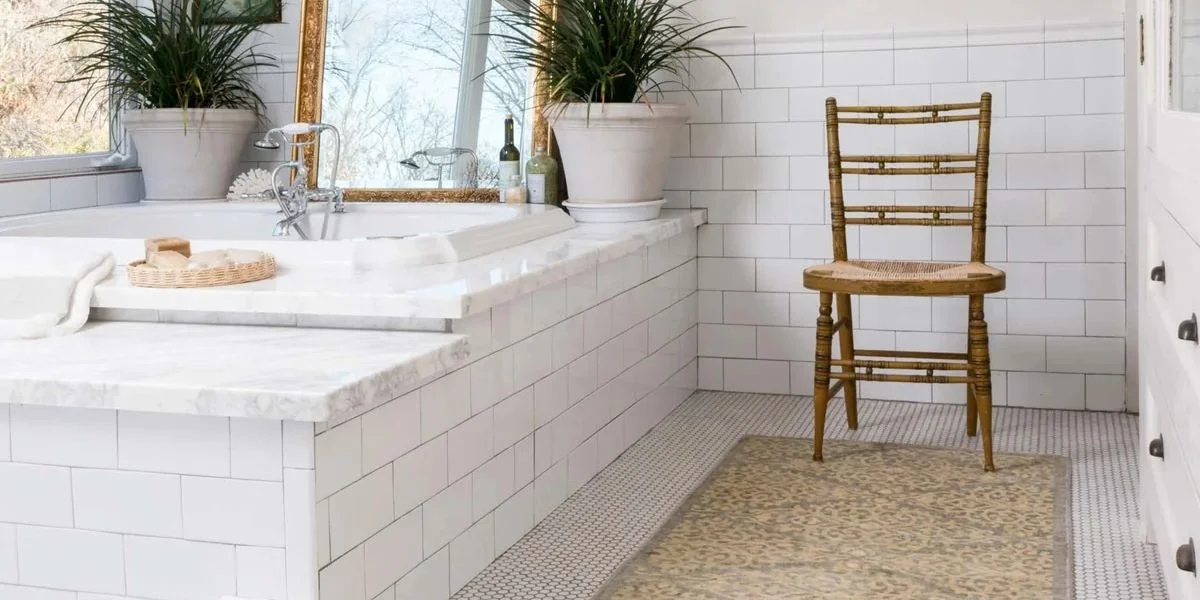
Whether a bathroom is just off the hallway or right beside the master suite, you'll want to make it feel welcoming and stylish. Instead of leaving cold tile floors to welcome bare feet late at night, consider what kind of bathroom this is and what you use it for. If you're looking at a guest bathroom or powder room, you'll definitely want a rug that sits in front of the vanity or sink. It creates a comfortable spot to stand as you wash your hands and check your appearance before you leave. In a larger bathroom complete with a shower, bathtub or both, you will want a bathroom rug that sits right outside the shower or tub to catch you right when you're finished bathing. In bigger spaces, that could be something as large as 5 feet by 7 feet.
To measure for a rug in the bathroom, consider both shape and size. Rounder, circular shapes can help soften sharp lines, while rectangular profiles go further into a space. Options include long runners for double-sink restrooms, a smaller 3 feet by 5 feet or even 2 feet by 3 feet option for right in front of the counter, toilet or both. Explore options, but keep in mind that some smaller rugs may be easy to clean. When you need to, toss it into the washing machine, dry it and it'll be as good as new. That time in the wash cycle might be a good reason to buy a second bathroom rug and have it ready to go at a moment's notice.
Welcome In: the Hallway
Finally, the hallway. This is where everything starts: when you come back home, you're greeted by an entryway that you want to reflect yourself and your home. It's also the first thing guests will notice about your home. You don't want a rug that's too big or too small. Consider your space; if you're looking at a hallway, measure for a runner that will leave 4 to 6 inches on either side of the rug, giving you and your guests a runway welcoming you into the home. Keep furniture off of the rug here if possible, and choose a low-pile option so that you can easily adjust and move the rug to better clean or vacuum this high-traffic space.
Maybe you have a large atrium instead of a main hallway. You may wonder how to measure for a rug in a wide-open space, whether the rug should cover the entire floor, or whether you should have any rug at all. That depends on you and your tastes. If you have a beautiful floor you'd like to show off, maybe opt for a small 2 feet by 3 feet low-pile rug in front of the door, then let your marbled or wood floor speak for itself. A 5 feet by 8 feet choice is great for most large foyers, but no matter what, you'll want to leave 4 to 6 inches of exposed floor on each side of the rug.
Last but Not Least, Your Outdoor Space
Not everyone has a patio or outdoor space to lounge on, but if you do, a rug can help tie your backyard seating and outdoor table together for a uniform look and that extra touch of style. We suggest using the same basic ideas introduced with general and living room rug measuring. Fit the legs of your major furniture here if possible, and make sure you measure for equal clearance around each side of the rug, leaving 10 to 24 inches of space between the furniture and the "wall", or border, of the patio. Keep in mind that you're choosing an indoor/outdoor rug for your space here, and you'll want to keep your home safe when it comes to candles or firepits as well. Rugs can be flammable.
Find Your Rug at Abt
Whether you're looking for a long runner for a galley kitchen or a large area rug for the living room, you can find rugs made for your style at Abt. Come see our collection of furniture and rugs in-store to get a feeling for how they look and how to style your space, or order your faves online for quick delivery. If you have any questions, call our specialists at 800-860-3577 to learn more, or head to our furniture department's Design Desk to get some help from our in-house designers.
How to Measure for a Rug FAQs
-
That can depend on the shape of the rug. If it's a rectangle or a square, you measure the width (or shorter side) by the longer side (the length). That's how rugs are generally listed as well: 5 feet by seven feet, eight feet by ten feet, etc. If you're mesuring a circular rug, these are measured by the diameter. If your rug has fringe or tassels, the fringe isn't usually measured. That's important to know when shopping or switching rugs around inside your home—make sure you have enough space.
-
While there are lots of options for area rugs for your home, there are a few standard sizes to fall back on: 5 feet by seven feet (or 8 feet), 8 feet by 10 feet, 9 feet by 12 feet and 10 feet by 14 feet.
-
That depends on how large your room is, its shape, the proportions, and your layout. A good rule of thumb is that you'll want to make sure that the rug is longer and wider than the end of the bed by about a 18 or 24 inches. For a classic queen size bed, a good option would be an 8' x 10' rug, while a king bed would do better with a larger 9 feet by 12 feet rug.


