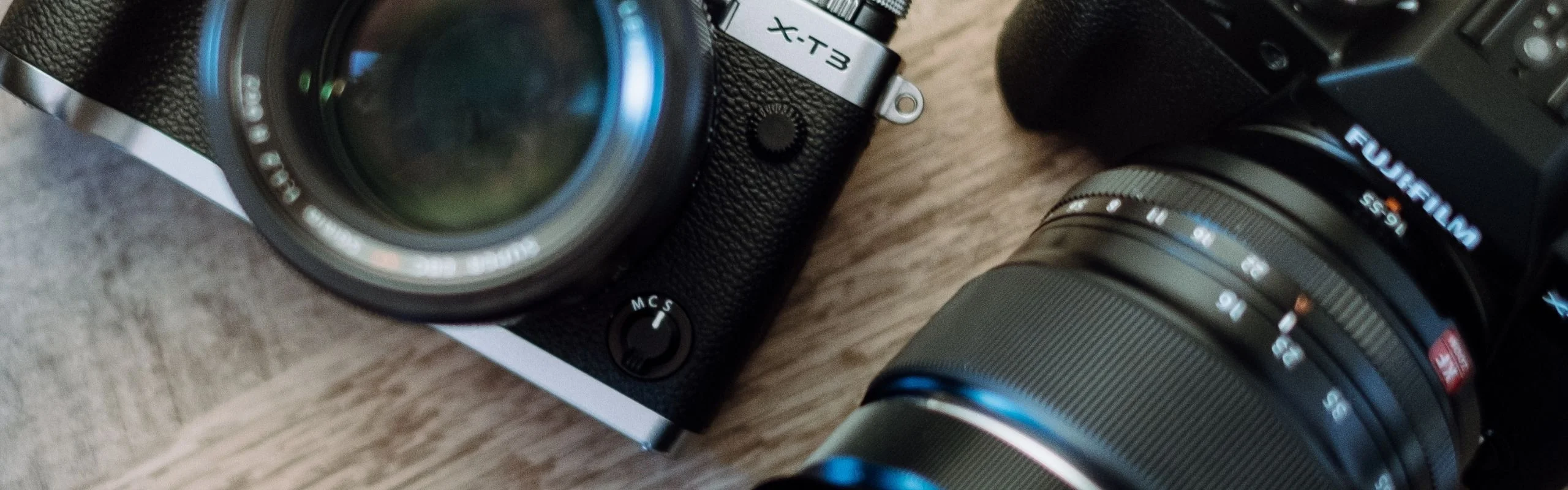
Mirrorless vs. DSLR Cameras: Which is Best For You?

The Benefits of a Digital Camera
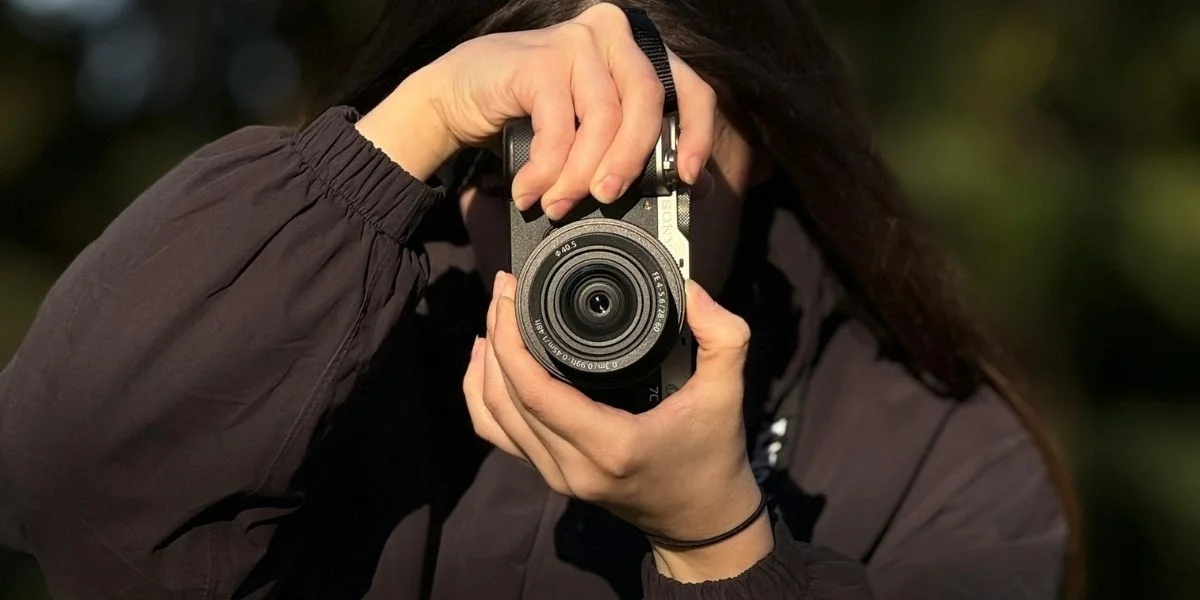
Cameras are the foundation of photography, whether you’re a long-time professional or a new hobbyist. While modern smartphones have certainly improved, nothing beats the quality of a dedicated camera. These digital devices freeze moments in time, letting you preserve special events or share unforgettable memories with loved ones. With a digital camera, you can capture what feels like an unlimited number of photos. Their larger sensors capture more light than your smartphone, and their telephoto lens maintains clarity as you zoom in. This means you get crisp results even when shooting in low-light conditions or from long distances.
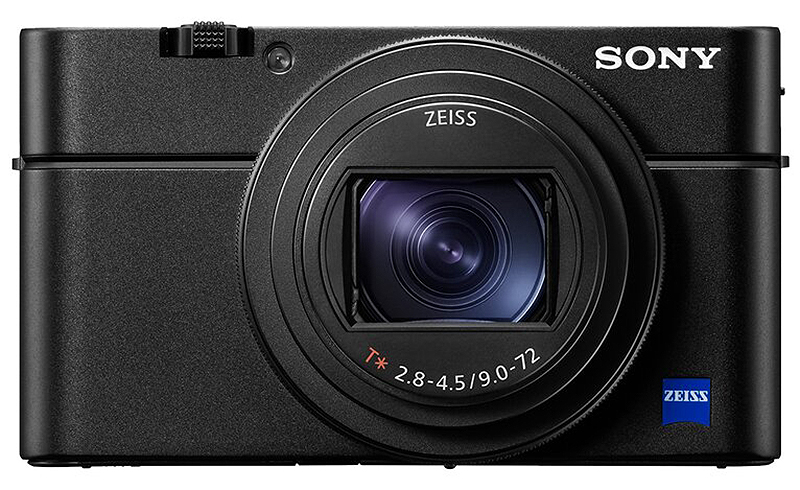
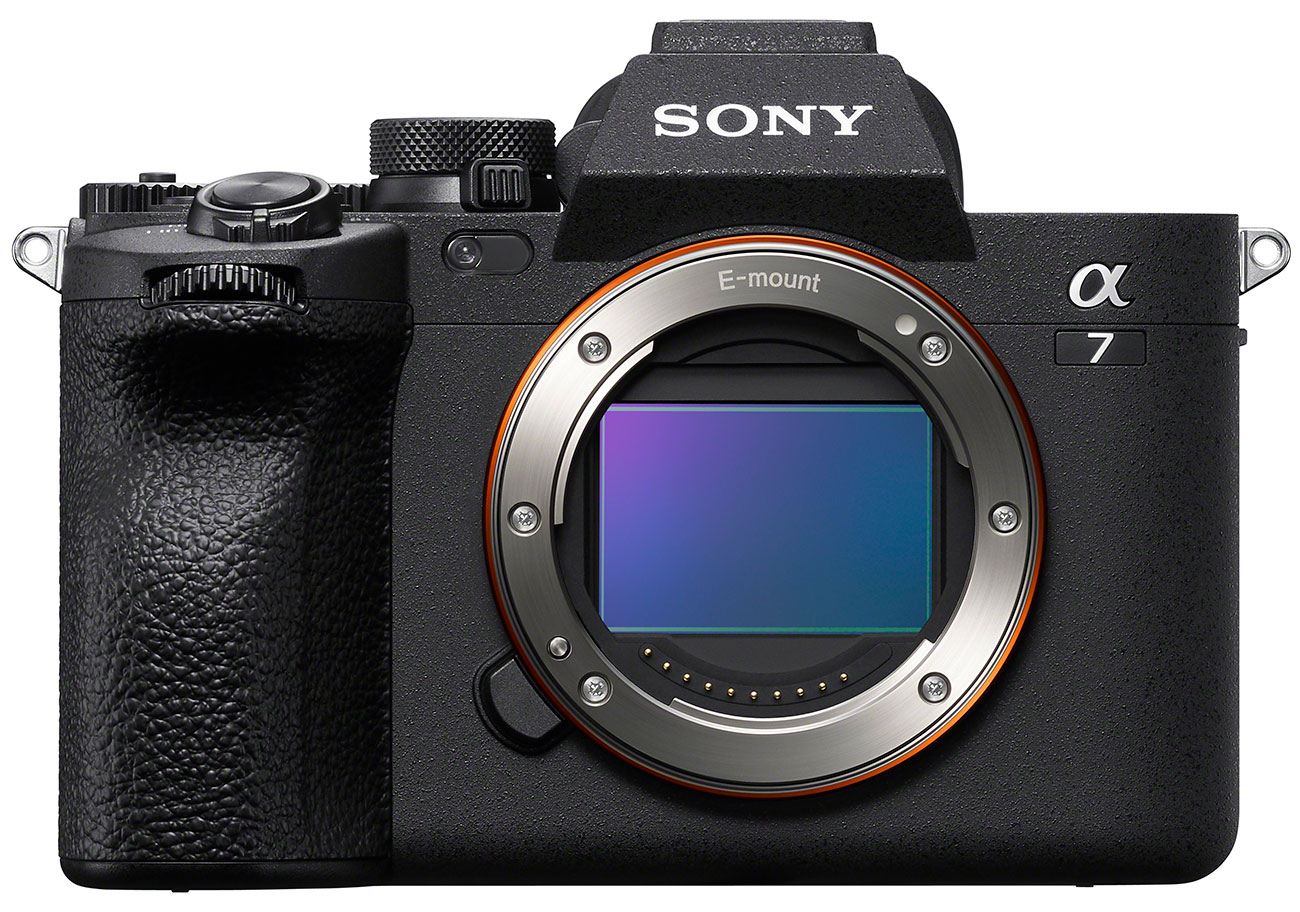
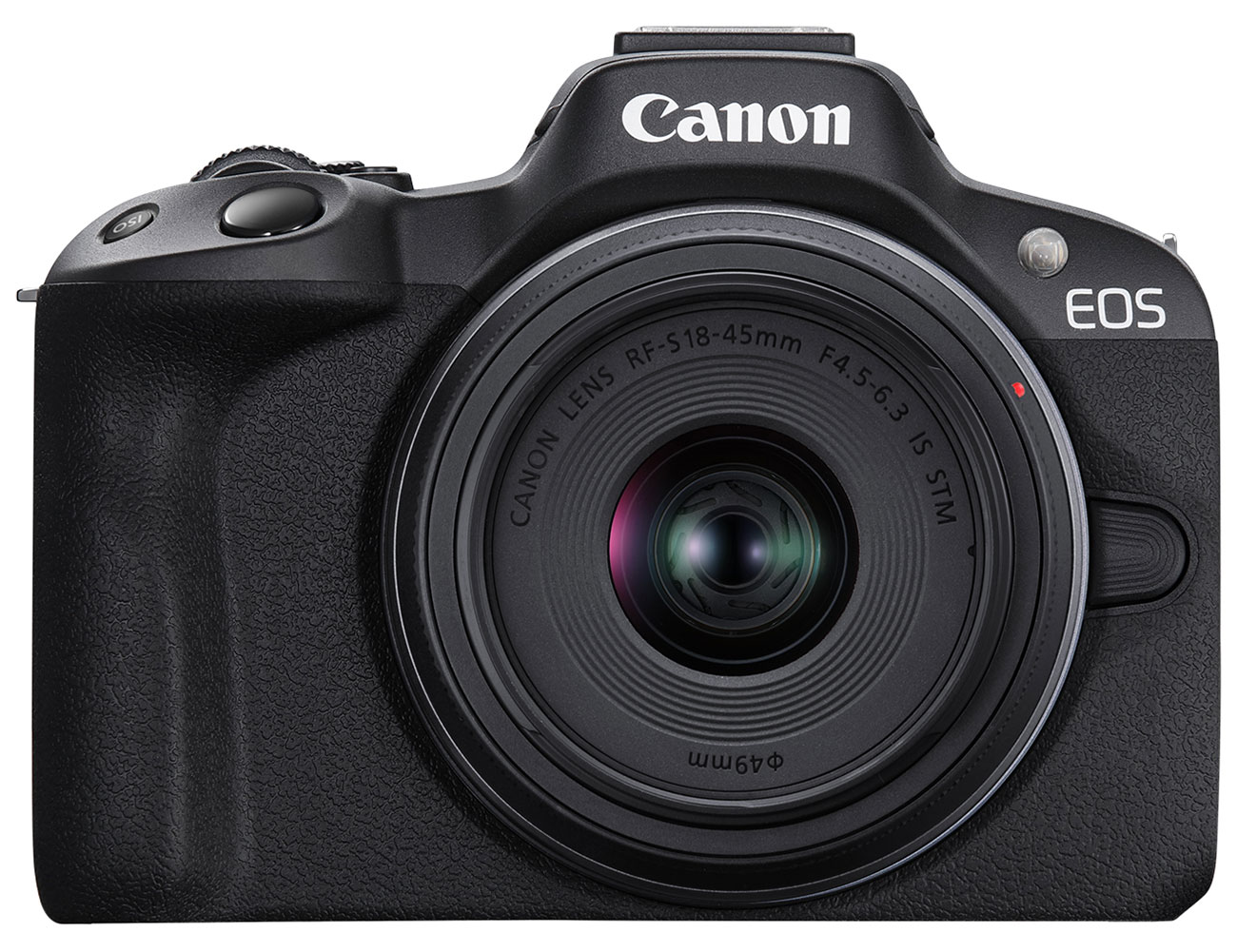
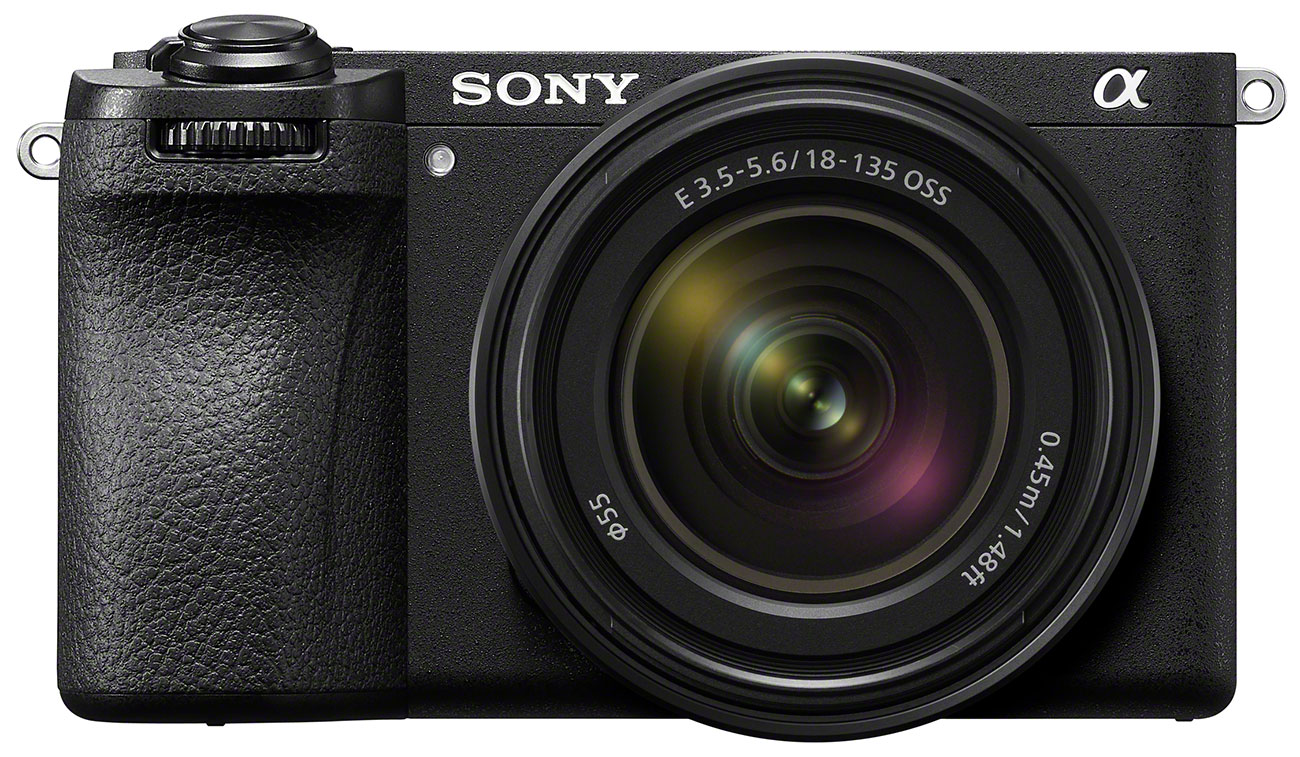
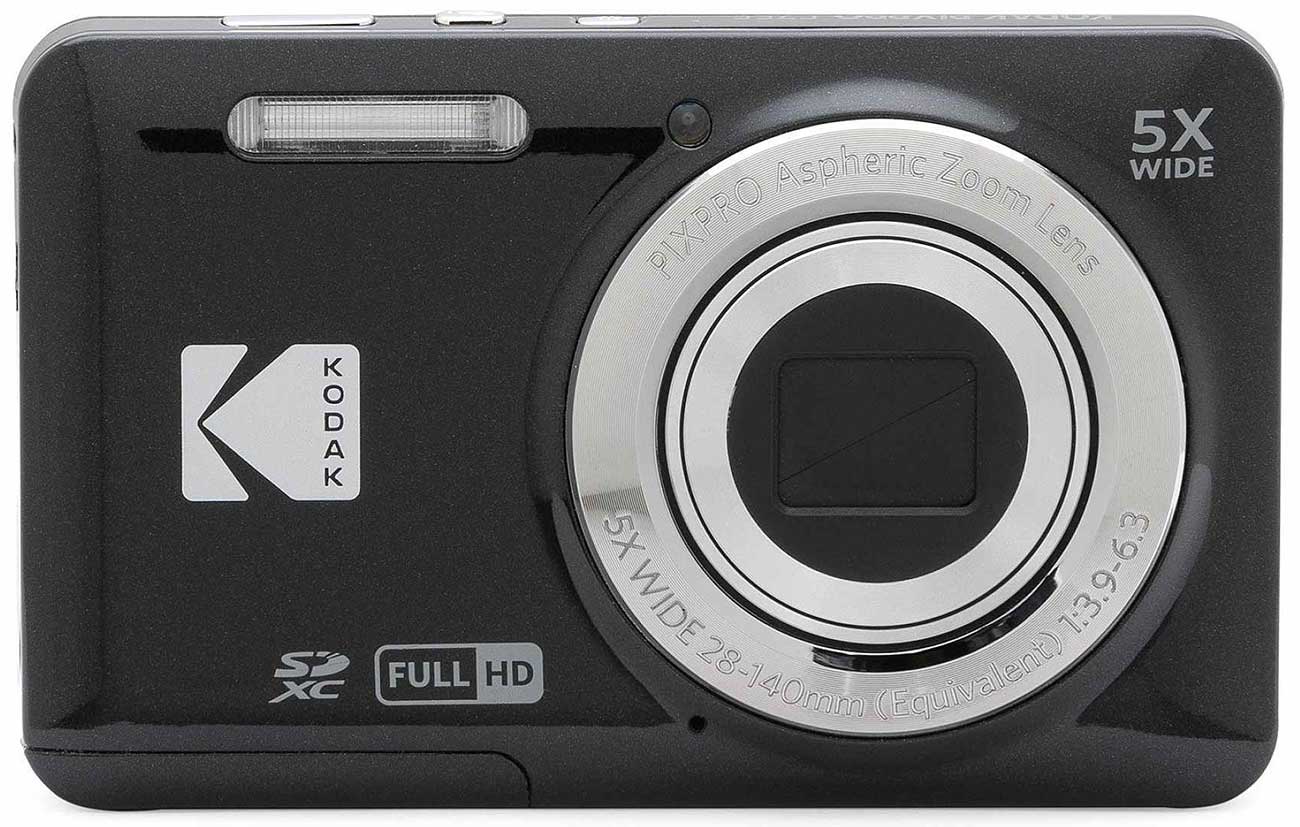
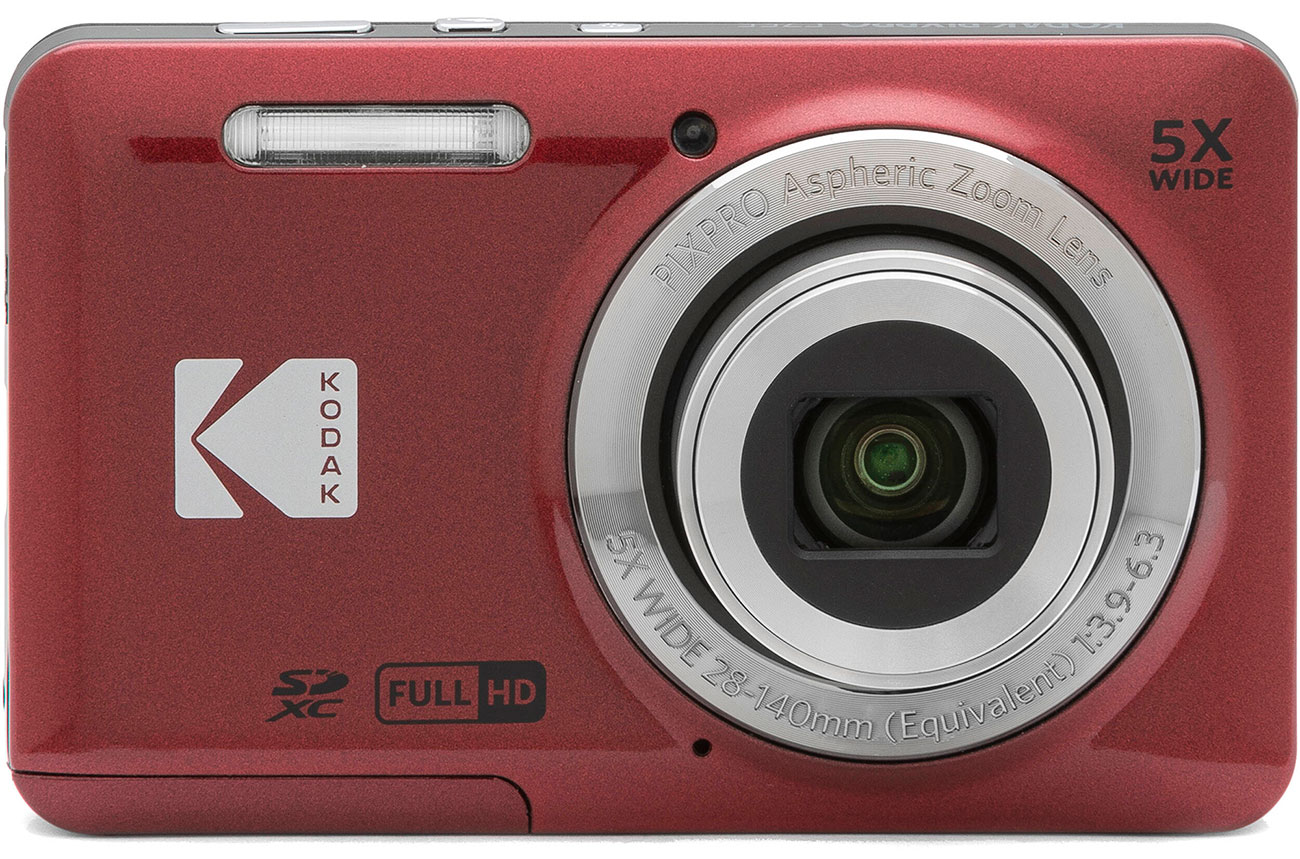
When shopping for the perfect camera, consider what you'll be photographing. Are you looking to capture vacation memories? Does nature's beauty call to your creative side? Or perhaps you want to take action shots from your favorite sports teams? Thankfully, there's a variety of options available, ranging from entry-level models to professional-grade ones. Two popular styles are mirrorless and digital single-lens reflex, or DSLR. Below, we dive into the key differences between mirrorless vs. DSLR cameras to help you find the style that best matches your needs.
Breaking Down the Shooting Style
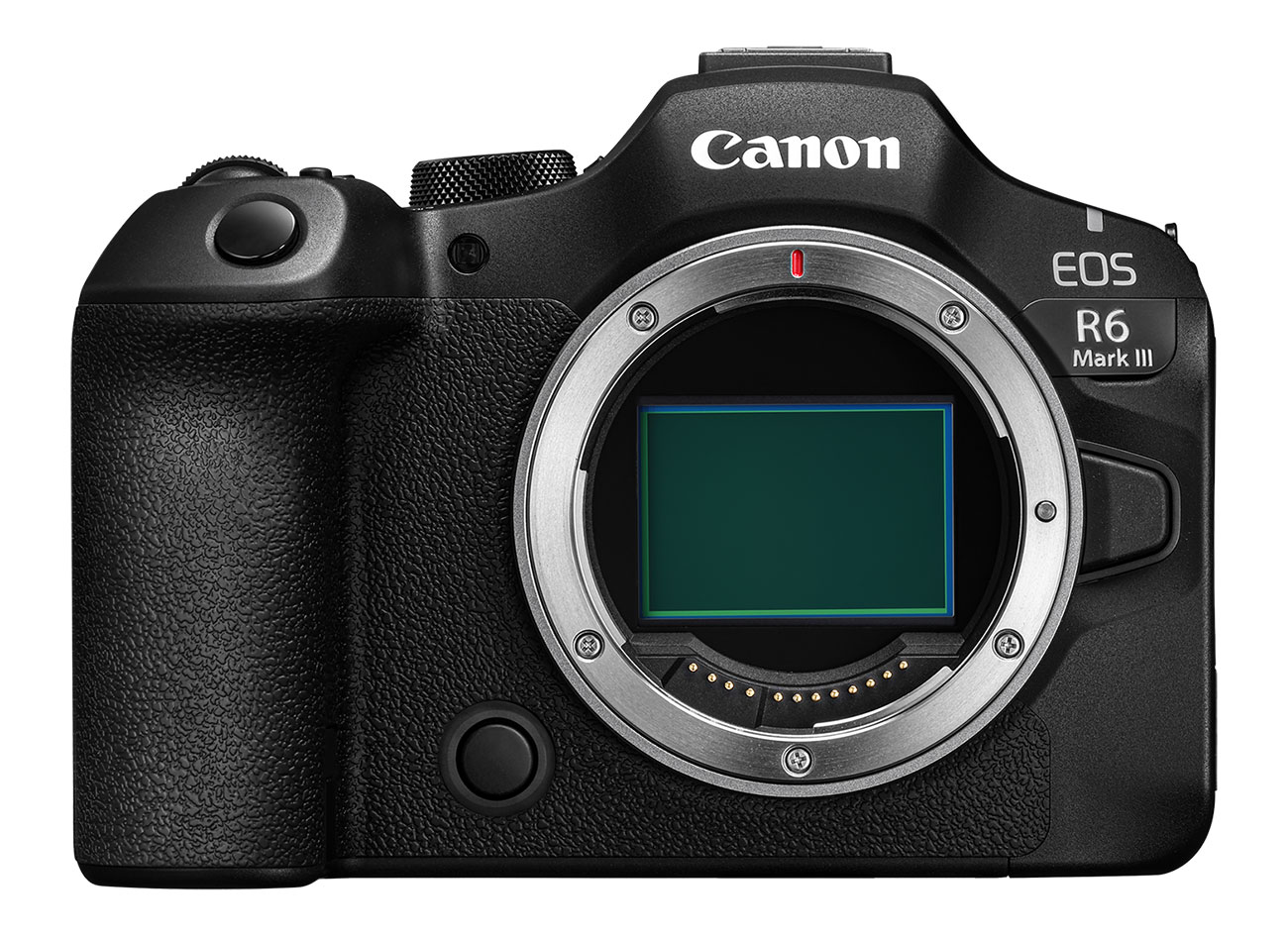
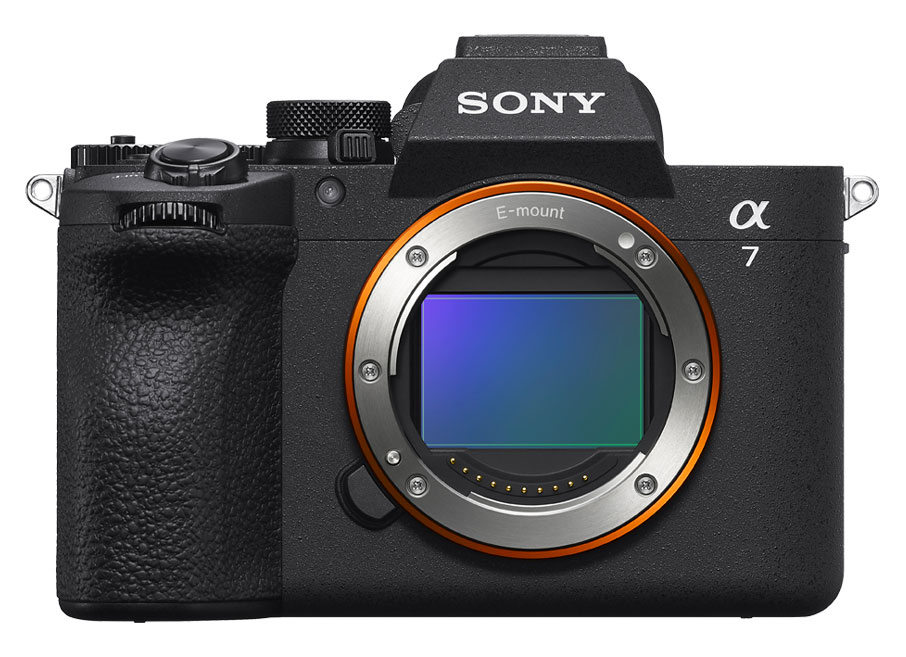
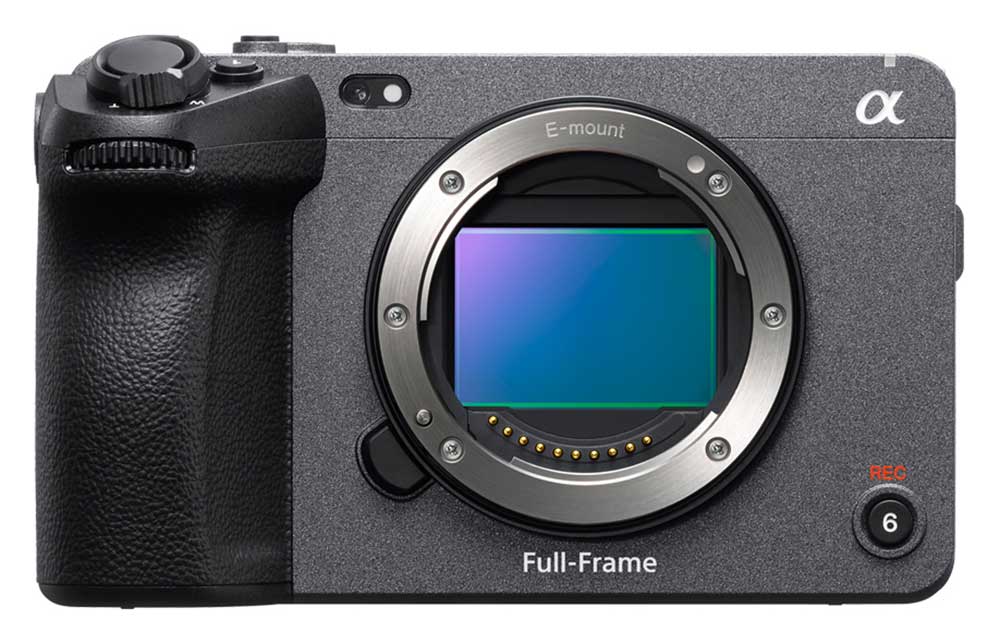
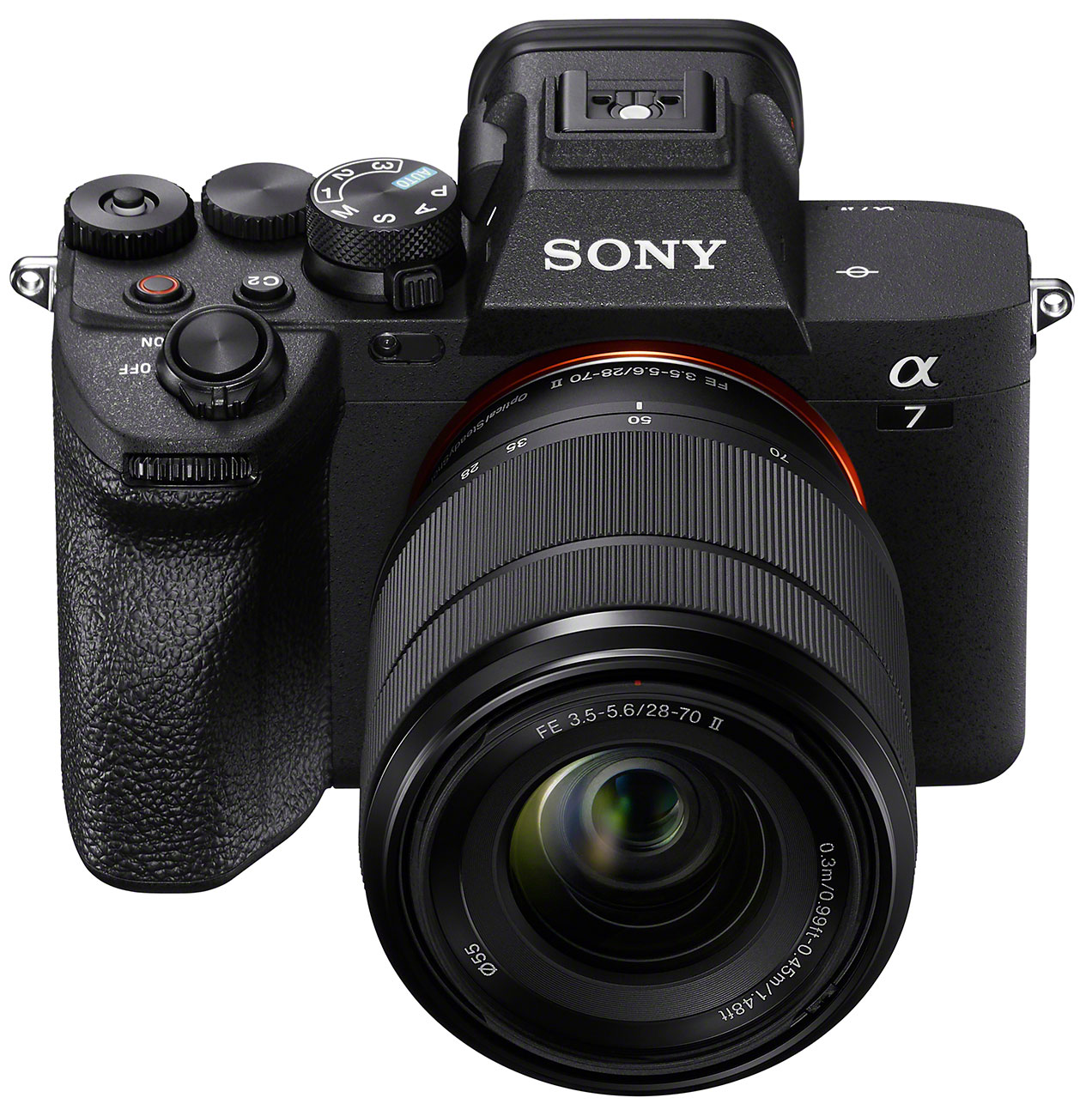
The fundamental difference between mirrorless vs. DSLR cameras lies in their design. To start, mirrorless models have a simpler construction. Light is sent directly to the image sensor. When you look at the viewfinder, you see a real-time preview of the shot, including any setting adjustments or added filters. This means you won’t have to guess if the photo will be too bright or too dark. Some mirrorless cameras only use an electronic viewfinder, while others combine it with a rear LCD screen. Regardless, the lack of a mirror means quieter operation and less shake due to shutter vibrations.
DSLR cameras have an optical viewfinder instead of an electronic one. This system uses a mechanical mirror to reflect light up into the viewfinder. When the shutter is pressed, the mirror flips up. The movement pushes light into the sensor, effectively capturing the image. Since you’re viewing a reflection, you only see the natural image. While the raw quality is great, you won’t know how the final result will look. And since the mirror has to flip out of the way, these models tend to be louder compared to mirrorless ones.
Considering Design and Portability
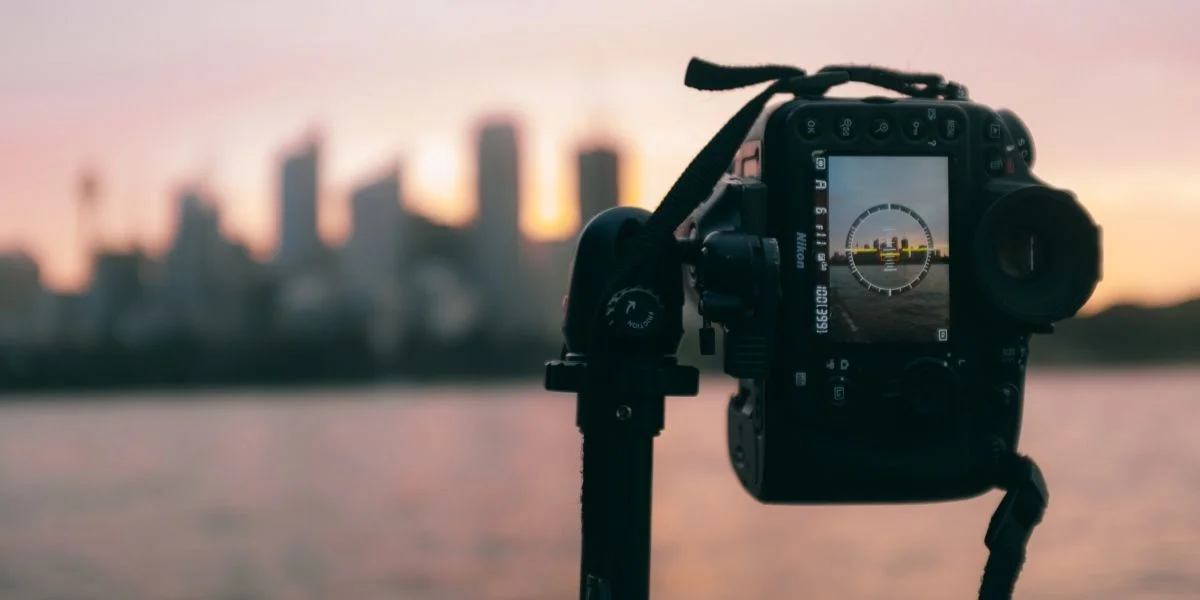
Portability is another key factor to consider when comparing mirrorless vs. DSLR cameras. On average, mirrorless ones are both smaller and lighter. The slimmer profile makes them great for on-the-go shooting, as they require little room in your camera bag. This leaves more space for lenses, microphones and other accessories. Battery life is their main drawback for this category. While many still last all-day, the electronic operation requires more power compared to the mirrored design of DSLR cameras.
Since optical viewfinders use less power, DSLR batteries tend to last longer. However, the complex design of these mechanical systems often makes them bigger and bulkier. And the intricate system means the cameras can only be so compact. For some, smaller is better. For others, the larger size is more comfortable to hold. While portability isn't always the priority, it’s certainly an important consideration when comparing mirrorless vs. DSLR cameras. And remember, you can always purchaseextra batteries for destination shoots.
Photography Performance
Our comparison between mirrorless vs. DSLR cameras continues with their photography abilities. This category is often the deciding factor, whether you're a professional or novice in the field. DSLR mirrors have to physically flip out of the way so light can reach the sensor. While this makes each shot more intentional, it's not ideal for burst shooting since the mirror can only move up and down so fast. This is where mirrorless cameras shine. The electronic shutter is great for continuous bursts. Many have AI-enhanced autofocus, which locks onto the target for clearer shots at up to 120fps. You can even create a natural blur or fake cutout effect for enhanced portraits or group photos.
Video Content Creation
Video is arguably just as important as stills when choosing between mirrorless vs. DSLR cameras. The former effortlessly switches from shooting photos to recording. Its lightning-fast autofocus keeps up as you reposition for the perfect angle. Many mirrorless models record uncompressed 4K and 8K video for hours—even longer with backup batteries. And remember, you can see exactly how the final result will look with any added filters or setting adjustments. Depending on the project, this greatly simplifies your editing process.
Though DSLR cameras can record video, the quality doesn’t compare to what mirrorless ones produce. The mechanical mirror blocks the viewfinder during recordings, which impacts the camera's autofocus. Manual adjustments or dedicated accessories can help stabilize autofocus performance. It's also important to note that many DSLR cameras only capture cropped video when filming in 4K.
Autofocusing Abilities
In the past, this is where DSLR cameras thrived. These models cluster the focus points in the center of the frame, making them great for posed images like headshots and group photos. However, new advancements have made mirrorless models leaders in this category. Instead of being bunched in the middle, the focus points are spread across the frame. The wider array provides better coverage and improves accuracy when the target is near the edge of the screen. When comparing mirrorless vs. DSLR cameras, consider your workflow and how much you'll be relying on autofocus. For example, are you recording yourself? Or will you be behind the camera to make adjustments?
Mirrorless cameras use autofocusing technology that’s similar to your smartphone. This means you’ll have access to more advanced features, like AI-powered eye tracking. Integrated with the image sensor, this feature locks onto subjects. This makes it easier to film moving targets. Many mirrorless models also include built-in stabilization features. Where you might run into trouble is in low-light settings. Unlike DSLR models, mirrorless cameras aren't sensitive to infrared light, so they may struggle to focus with the flash.
What About Lenses?
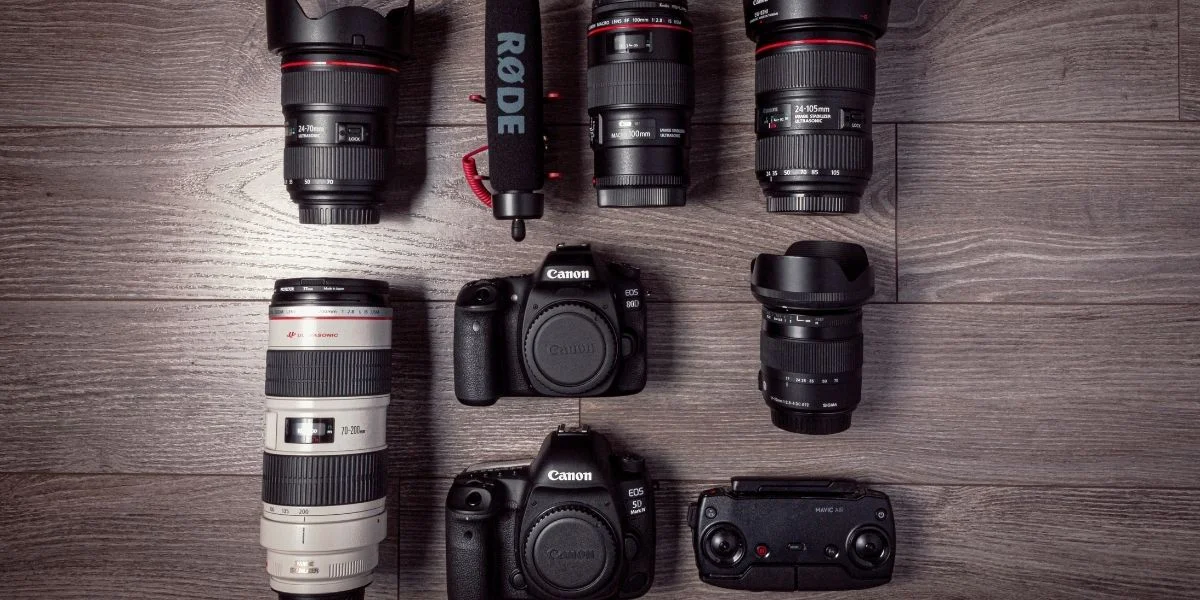
A debate between mirrorless vs. DSLR cameras wouldn’t be complete without discussing lenses. Even the most high-end models benefit a dedicated lens. These accessories come in a variety of styles, sizes, and focal lengths, each with the purpose of improving both accuracy and detail. DSLRs have years of history, offering a range of affordable and used lenses. For many long-time photographers, hesitation to switch stems from the expensive glass used in mirrorless lenses. Thankfully, the market includes lens adapters. These accessories are great if you have a preexisting lens collection.
The Industry’s Shift
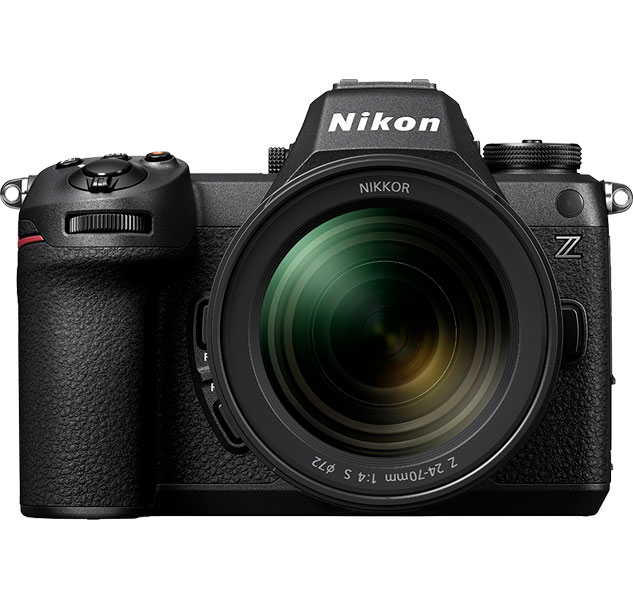
Another factor to consider when deciding between mirrorless vs. DSLR cameras is the industry itself. In the last decade, there's been a shift in loyalty from DSLR to mirrorless. While many remain dedicated to their DSLR cameras, several retailers and manufacturers have stopped stocking them. Some brands have paused DSLR development while others, like Canon and Nikon, no longer make them. Instead, they’re focusing solely on mirrorless designs and technology. Why? To start, the physical limitations of DSLRs. Their mechanical system can only achieve so much. The mirror design caps the burst rate and affects autofocus performance.
Mirrorless models not only maintain steady shooting performance for longer periods, but they also have room for more advanced technologies. For example, AI-powered features offer enhanced autofocus for more accurate tracking of people, animals and objects. And integrating them doesn't affect the camera’s portability, making them great for travelers and working professionals alike.
Choosing the Best Model For You
The decision between mirrorless vs. DSLR cameras comes down to two main factors: what you’re photographing and how much time you want to spend editing. Mirrorless models show you exactly how the shot will look, including final exposure and color alterations. And AI-powered autofocus removes the need for constant manual adjustments. In terms of the industry, mirrorless cameras are quickly becoming the go-to choice for professionals and manufacturers. Meanwhile, DSLR models offer a more traditional and intentional photography experience. You see the image as is when looking through the viewfinder. These are a great option if you enjoy editing or prefer to make refinements after the fact. However, you’re limited in burst shooting due to the mechanical system.
Meanwhile, DSLR models are more affordable and create a more intentional photography experience. You see the shot as is when looking through the viewfinder, no fancy filters or complex alterations. This makes them great for those who like editing or prefer to make refinements after the fact. However, the mechanical design means it's harder to capture bursts and recording in 4K often means capturing cropped content.
If you're still unsure which camera type is best for you, contact our specialists at 800-860-3577 and they'll be happy to assist you. Our guide to digital cameras is another great resource to help you explore the various options available. Once you’ve found the right model, consider attending one of our camera classes to learn how to use your new device. Our classes range from covering the basic functions to diving deep into the editing process. We also have a collection of videos on our YouTube channel if you’re unable to attend in person.
Mirrorless vs. DSLR Cameras FAQs
-
Digital cameras help you capture higher-quality content compared to smartphones due to the increased sensor size.
-
Lenses are a crucial component to consider when buying a digital camera. These accessories help you capture crisp detail for close-ups, far-away shots and everything in between.
-
While it varies by model, many digital cameras can take about 1,100 photos or up to three hours of video.
-
Yes, as most digital cameras do not come with an SD card.