How to Get Scratches Out of Stainless Steel

Before You Begin
There are a few steps to complete before you start gathering the necessary tools to remove scratches from your stainless steel surfaces. First, verify that the damage is a scratch and not a streak or smudge. To do so, clean and polish the surface before reinspecting to confirm. Next, consult the owner's manual. Occasionally, there might be step-by-step instructions on how to get scratches out of stainless steel for your specific model, especially if there is a synthetic or protective finish. Please note that the steps listed below are for appliances without these specialized coatings. Once you've confirmed the scratch and consulted the manual, you'll need to identify the grain's direction. This is essential, as working against the grain causes damage that is nearly impossible to reverse.
What You'll Need
- Microfiber/Non-Abrasive Cloths
- Water
- Dishsoap
- Baking Soda
- A Spray Bottle
- Distilled White Vinegar
- Olive Oil (Mineral or Vegetable Oil Also Works)
- Fine-Grit Sandpaper (Optional)
Prepping the Surface
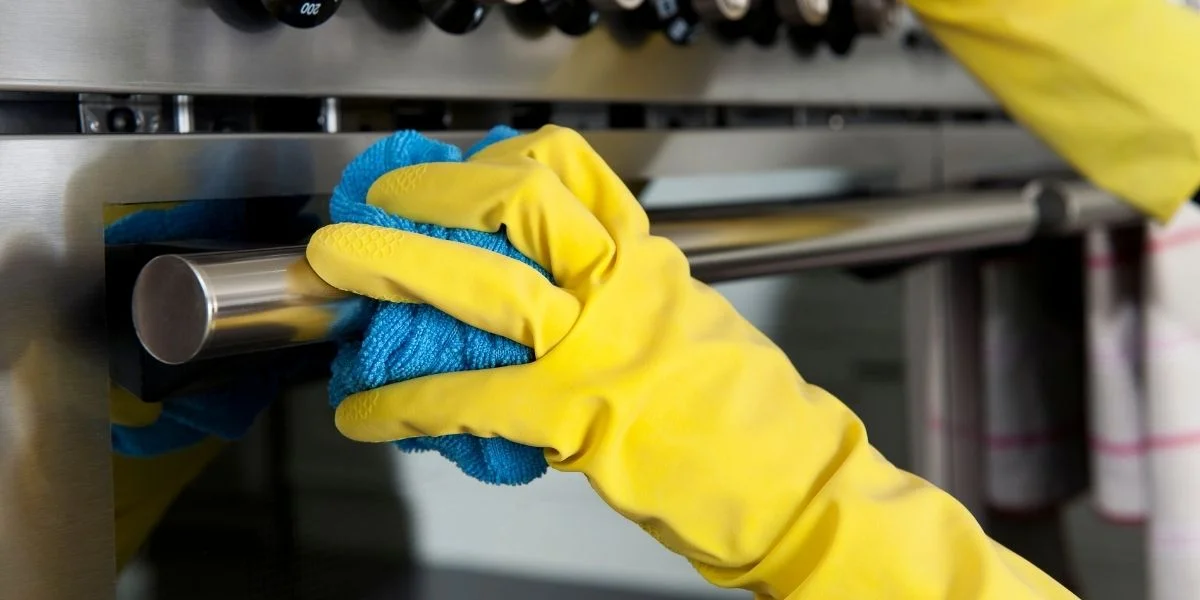
Before you start buffing the scratch, you'll want to clean the surface to remove any dirt or grime. To do so, create a mixture of warm water and dish soap. Then, using a non-abrasive cloth, gently clean the stainless steel surface. Be sure you're moving in the direction of the grain. Once clean, dry the surface.
Choose Your Buffing Method
After cleaning, it's time to choose your preferred buffing method. If the owner's manual lists a commercial product, you may use that instead. However, there are some DIY solutions that are easy to make with common household items. To make a buffing paste, combine about a teaspoon of water with some baking soda. You can also use another stainless-steel-safe powder or a non-gel toothpaste.
Buff the Mark
Once your paste is ready, it's time to buff the scratch. Use a clean, non-abrasive cloth to apply the paste to the scratch. Remember to move with the grain; do not move in circles. If using a commercial product, follow the label's instructions.
Clean the Appliance
When the scratch is gone, you'll want to remove any remaining paste. Spray the area with distilled vinegar and carefully wipe away the paste, moving in smooth, straight strokes. If desired, use more water and dish soap to clean away any lingering vinegar.
Polish the Surface
Now that the scratch has been removed, it's time to bring back the shine. Place a few drops of olive, mineral or vegetable oil onto a microfiber cloth and polish in the grain's direction.
What About Deeper Marks?
To get deeper scratches out of stainless steel surfaces, try the steps above, as they may work without the need for stronger methods. However, if the process doesn’t work, don’t panic. Grab a fine-grit sandpaper that has soaked for several minutes in water. Then, carefully buff the mark, ensuring you move with the grain only. Clean the surface again with white vinegar and a non-abrasive cloth. Finally, use your oil of choice to polish the surface and bring back its sleek shine.
Preventing Future Scratches and Damage
While it's normal for any material to deteriorate over time, there are steps you can take to keep stainless steel exteriors looking their best. To start, avoid cutting food on these polished surfaces, including ranges and cooktops. Even if your model has a protective coating, sharp knives and repetitive movements can cause damage and leave lasting marks that may be challenging to remove. Second, avoid using harsh chemicals or cleaners unless otherwise specified in the owner's manual. These include ammonia, bleach and scouring powders. Harsh materials, such as steel wool, should also be avoided. Third, use a water-softening system if you live in an area with hard water. Finally, always try to clean and polish in the direction of the grain. While circles work for other surfaces, straight strokes are best for stainless steel. If you still have questions about how to get scratches out of stainless steel surfaces, reach out to our experts at 800-860-3577.
How to Get Scratches Out of Stainless Steel FAQs
-
Yes, you can remove smaller scratches or marks from stainless steel.
-
To remove deep scratches from stainless steel, you'll want to use fine-grit sandpaper that has soaked in water for several minutes. Remember to move with the grain's direction as you buff the scratch.