Main Content
Welcome to Abt's Learn Center

Featured Learn Articles

Filter
|
|

 By Joey

 By Shirley

 By Sean

 By Carl
 By Michelle
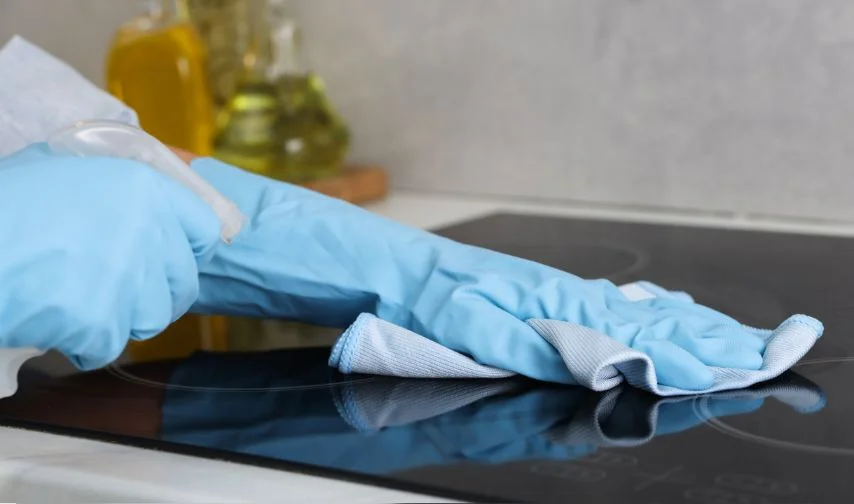
 By Megan
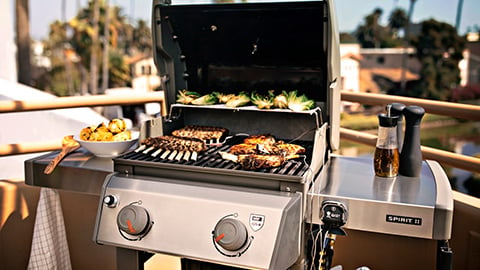
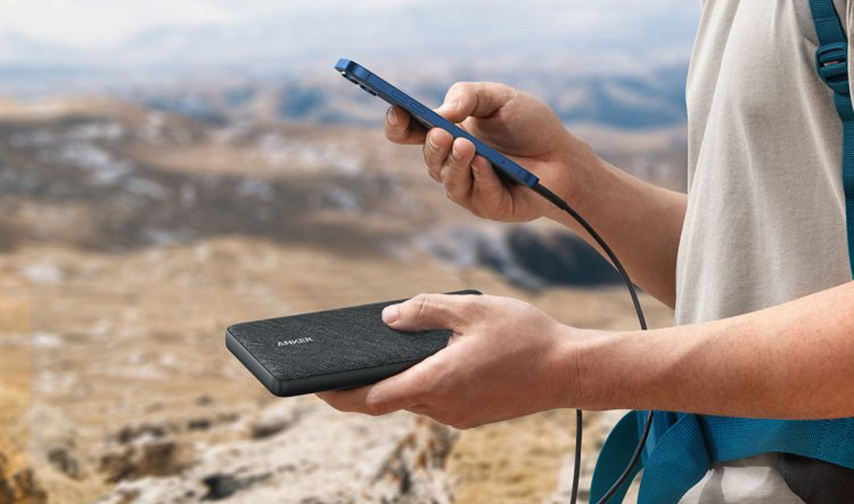
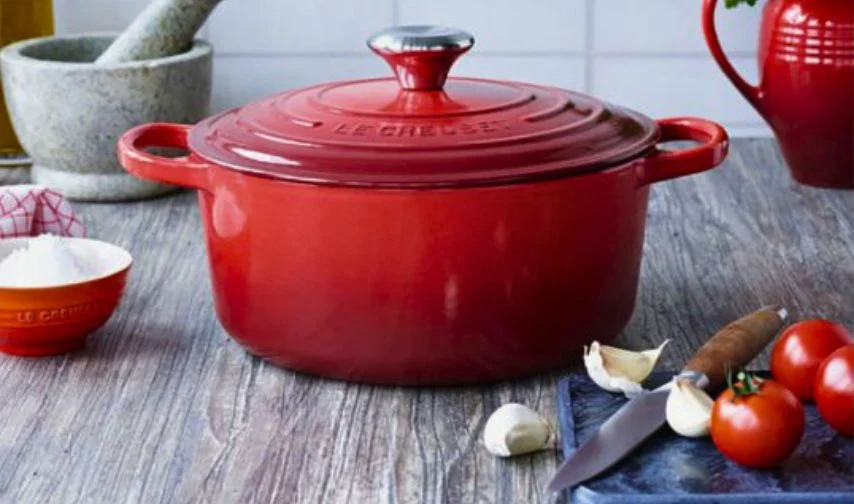

 By Megan
 By Bailey


 By Bill

 By Aidan
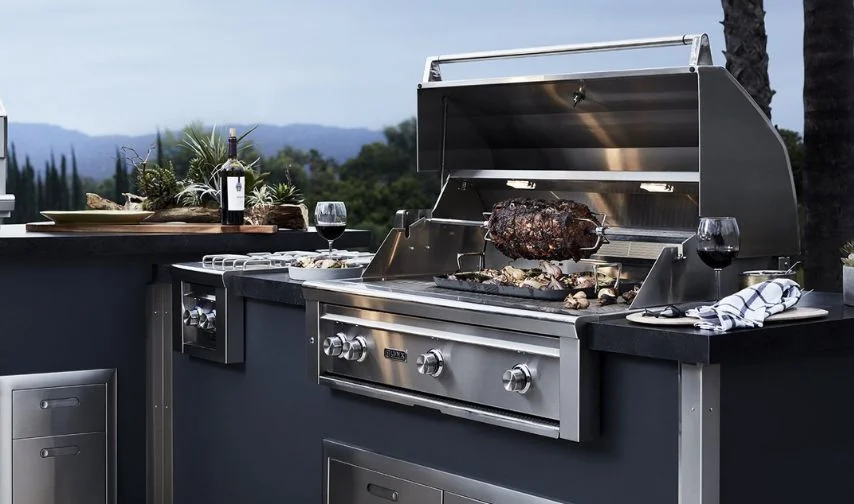
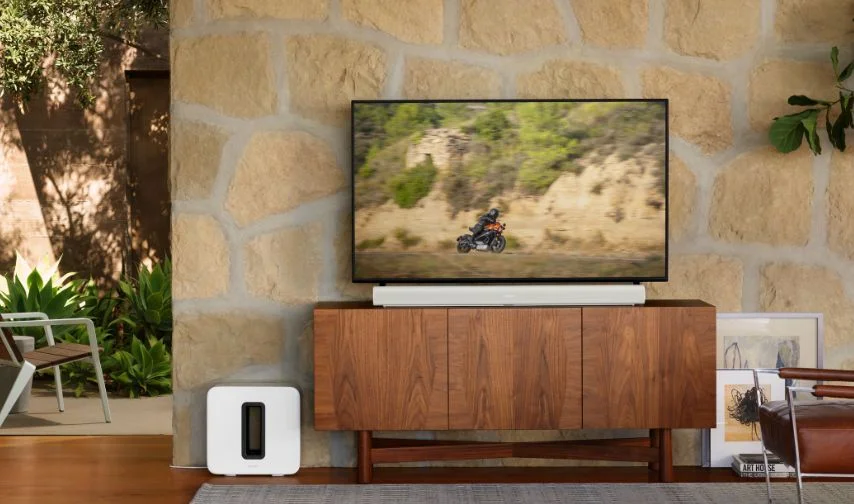
Abt is your go-to place whenever you need to upgrade your kitchen, home theater or vehicle. Looking for information on home appliances, shopping tips, consumer guides, the newest in electronics trends and more? Abt's Learn Center has all the information you need. Our experts have written specially designed buying guides that will help you make the right decision on appliances and electronics for your household's unique needs. In addition, you can find installation tips and articles that cover common problems with products you already own, such as ice buildup in your freezer. It can be a little difficult when you are first shopping for an appliance or new smart TV for the first time, but our professional staff has gathered all they know about these topics to best assist you. If you're new to charcoal grilling, for example, Abt will show you how to properly use your new grill. We also periodically update our articles to include the latest advances in technology. Whether you're looking for energy efficient appliances or the best in quality home entertainment centers, just visit our Learn Center for the latest buying guides and tech tips. Simply click on the topic you are interested in and you will be taken to an overview of the product category and simple explanations that will help you make an informed purchase. If you need further assistance, please contact an Abt sales associate directly at 800-860-3577, via live chat or in our retail store. We are here when you need us.


